Updated 5 September 2026.
A private label sunscreen project becomes easier to manage when the buyer defines the product, evidence questions, packaging and review responsibilities in one written brief. A catalog listing can help identify a direction. The purchasing decision needs a more specific record of what the supplier will develop, what the buyer intends to say and which approvals remain open.
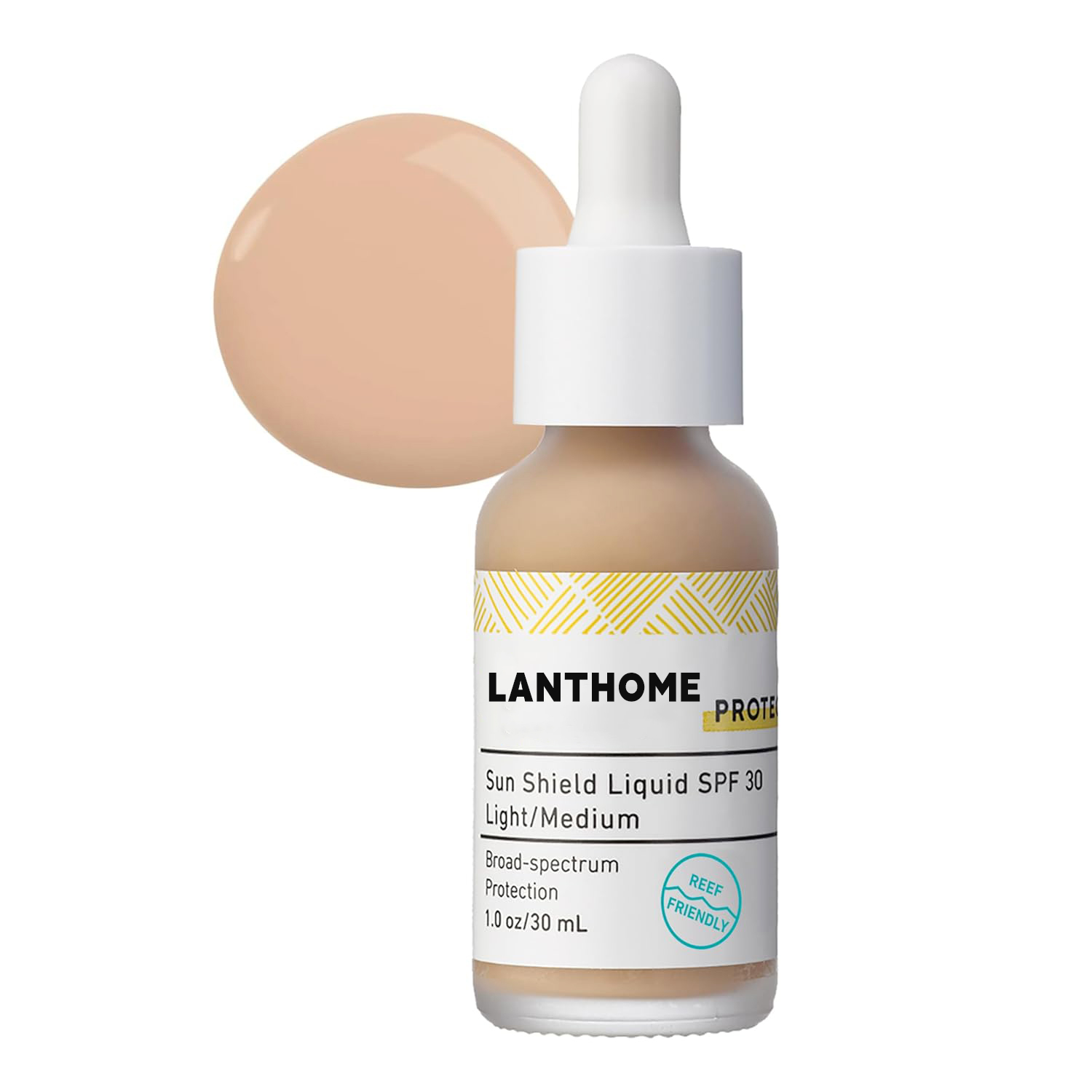
Lanthome's Liquid Zinc SPF 30 Tinted Serum provides a useful starting point for that conversation. The page describes a tinted oil serum, lists zinc oxide, bentonite clay and hyaluronic acid as ingredient directions, and offers OEM, ODM and private label discussion. The SPF 30 wording is part of the catalog title; buyers should request supporting evidence for the final formulation and packaging configuration before deciding on retail claims.
This checklist follows the decisions from the first inquiry through launch preparation. It is designed for brand owners, sourcing teams and distributors comparing a tinted serum concept with the practical requirements of their own project.
Start with a target-market and channel brief
Define where and how you intend to sell before requesting a finished quotation. A plan for one distributor, one language and one package gives the supplier a different assignment from a launch across several markets with separate cartons. Name the initial destination markets, sales channels and commercial owner rather than using broad phrases such as global launch.
Describe the intended shelf role. Is the proposed product a stand-alone item, an addition to a complexion range or a coordinated part of a skincare collection? This helps the team discuss packaging presentation and supporting content. Keep the desired positioning separate from wording already approved for publication.
Use the first inquiry to establish these five decisions:
- Identify the initial markets, retail channels and person responsible for local review.
- Describe the intended consumer audience and the product's role in the range.
- State the preferred serum format, tint direction and package size for discussion.
- Share an estimated order range, budget boundaries and desired launch window.
- List the performance wording you would like evaluated, marking every unapproved statement as a request.
An incomplete brief can still be useful if its unknowns are visible. Label uncertain items as open decisions and ask which ones must be resolved before sampling or quotation.
Translate the catalog concept into a sample request
The product page describes a lightweight tinted sunscreen-serum direction and identifies the format as a tinted oil serum. It also discusses a liquid zinc and bentonite clay concept with packaging options for daily sun care and makeup-primer positioning. These descriptions can guide the first sample discussion without becoming promises about the final product.
Ask the supplier which version the sample represents. Record whether it is an existing reference, a proposed adaptation or a development sample prepared for your brief. If multiple samples are supplied, each should have an identifier that your purchasing, design and review teams can use consistently.
Describe texture and tint in observable terms
Replace general preferences such as premium texture with characteristics that evaluators can record. Discuss the desired flow from the package, visible color, spread, finish and residual feel. Ask how the team should prepare and compare samples so that observations from different reviewers remain useful.
For tint, define the visual direction and how you intend to review it. Ask about available options, the practical scope of customization and the implications of adding shades. A photograph on a screen is a starting reference; an approved physical sample gives the project a clearer color target.
Give reviewers the same comparison sheet and ask them to distinguish observations from preferences. An observation might describe visible residue on a component after dispensing; a preference might request a different finish. Record the sample identifier, review date, handling conditions and any photographs alongside the comments. Ask the supplier how long a reference sample should be retained and under what conditions, then agree who keeps the approved reference. When a replacement sample arrives, compare it with the agreed criteria and record whether each requested change was addressed. This makes approval more specific than a message saying the new sample looks good.
Separate ingredient direction from the final formula
Zinc oxide, bentonite clay and hyaluronic acid appear on the source product page. That gives a buyer useful terminology for an inquiry, but it does not supply a complete formula, ingredient concentrations or the evidence needed for a finished-product claim. Request the information relevant to the exact version being considered.
Ask which documents can be shared during initial evaluation and which require a confirmed development scope or confidentiality arrangement. Identify who on your team will review ingredient information and how questions will reach the supplier. This avoids collecting documents that nobody has responsibility to assess.
Maintain a formula version record throughout sampling. If the team requests a change in tint, fragrance direction, texture or another characteristic, ask the supplier to identify the resulting version and any additional review work. Do not assume an earlier sample approval or document automatically covers a revised formula.
When feedback conflicts, prioritize it against the brief. For example, a purchasing preference for fewer variants and a merchandising preference for more shades need a commercial decision before another sample round. Clear priorities help the supplier respond to a defined request.
Ask separate questions about performance wording
A useful private label sunscreen checklist treats each proposed statement as its own evidence question. Put the wording your brand wants to use into a review register, including the package name, short website claims and any retailer descriptions. Assign an owner and status to each entry.
SPF wording
The catalog name includes SPF 30. Ask what evidence is available, which formula and sample identifiers it references, and whether the reviewer considers it relevant to your selected configuration and destination market. Record the answer before copying the number into artwork, sales presentations or a new product title.
Broad-spectrum wording
If your brief includes broad-spectrum language, raise it as a separate question. Ask what documentation would be needed, what is currently available and who will decide whether the proposed wording is suitable. Do not infer an answer from the catalog SPF number or an ingredient name.
Water-resistance wording
If water resistance is part of your proposed positioning, identify the exact language being considered and request a separate evidence discussion. The source page does not establish that this product has a water-resistance claim. Leave the wording unapproved until your designated reviewer has assessed the relevant materials.
This approach gives the supplier actionable requests and keeps marketing decisions connected to the version being purchased.
Choose packaging as part of the product specification
The source listing presents 30 ml, 60 ml and 150 ml capacity directions. Use them to begin a conversation about the intended channel and retail format, then confirm which combinations are available for your project. The page asks buyers to confirm MOQ according to customization, so request quantities for the actual package and decoration choices.
Ask how the proposed formula will be evaluated with the selected container and dispensing components. Record the materials, component references, closure, nominal fill and decoration method under discussion. If a component changes, ask whether the supplier recommends repeating any part of the review.
Evaluate the package during ordinary handling
Include practical observations in the sample record: ease of opening, control when dispensing, visible residue around the outlet, closure fit and legibility. Ask how the supplier proposes to assess leakage, transit handling and storage suitability for the final configuration. These are project questions, not claims that particular tests have already been completed.
Review carton and container together. A design that looks balanced on a large mockup may leave limited space for approved copy on the selected size. Ask the designer to work from confirmed dimensions and printable areas before approving expensive decoration or a full artwork set.
Build a documentation map that people can use
A folder containing many files is only helpful when each file has a clear purpose. Ask the supplier and your reviewers to map available documents to the proposed formula, package and wording. Keep document status visible so that a requested item cannot be mistaken for a reviewed one.
For every document or review item, record:
- The document name, version, issue date and organization that supplied it.
- The formula, sample, package or batch identifiers it refers to.
- The specific decision or proposed statement it is intended to support.
- The person responsible for checking its relevance to the project.
- The current status, outstanding questions and next agreed action.
- The location of the reviewed file and the decision recorded after review.
Ask your designated specialist which additional documents or steps should be considered for each destination market. Keep that advice attached to the market-specific brief rather than treating a generic catalog description as a complete launch dossier.
When a reviewer requests clarification, send a focused question. Naming the document, page, version and unresolved issue makes it easier for the supplier to provide the relevant answer and reduces repeated exchanges.
Assign review responsibilities before artwork begins
Decide who can approve each part of the project. Purchasing may own the commercial specification, product development the sample comparison, design the artwork and a designated specialist the market and claims review. One person can hold several roles, but every decision needs an identifiable owner.
Use a shared approval record with separate statuses for formula, packaging, documentation, copy and commercial terms. A favorable sample review should not silently approve all the other categories. Conversely, an artwork correction should not reopen a settled commercial decision unless it changes the agreed scope.
Establish how changes will be handled. Ask who can request a revision, how its effect on price and timing will be assessed and who accepts the updated version. Define where obsolete artwork and documents will be stored so that an earlier file cannot accidentally return to production.
Lanthome's OEM and ODM development information is a useful next reference for discussing the working sequence. Use your project brief to ask which tasks the supplier will perform and which remain with your brand or appointed partners.
Compare quotations against the same configuration
Price comparisons become more useful when every quotation answers the same specification. Request a breakdown that identifies the formula version, capacity, container, closure, decoration, carton and quantity assumption. Ask suppliers to show optional items separately so you can see what changes the total.
Include sampling, development, documentation support and any proposed evaluation work in the discussion. Ask which costs are included, which are provisional and which depend on decisions still open. The source product page provides no fixed project price or delivery promise, so confirm both through a quotation for your brief.
For a tinted concept, ask how different shade counts or packaging variants affect the proposal. Record whether quantities are being discussed per variant or across the project. This makes the commercial consequences of assortment choices visible before the team approves several designs.
Before accepting a quote, ask how its validity period, payment milestones and change requests will be recorded. Confirm the procedure for approving an added cost so that a packaging revision does not become an unexpected invoice. Compare exclusions as carefully as inclusions. If one quotation covers only the filled unit and another also includes cartons or artwork support, the unit prices describe different scopes. Ask for clarification before deciding that one proposal offers better value.
Plan milestones around decisions and dependencies
Build the schedule from the work that must be approved. Discuss when the supplier can provide a sample, when your team can review it and which packaging details must be settled before further evaluation. Ask for timing estimates tied to those decisions instead of relying on an unsupported launch promise.
Put dependencies beside each milestone. Artwork completion may depend on approved wording and confirmed dimensions. A production discussion may depend on the final specification and commercial agreement. Your actual project team should confirm the sequence and explain where tasks can proceed in parallel.
Allow the schedule to show an unresolved item honestly. If evidence review is incomplete, mark the affected milestone as pending and identify the next action. A visible question is easier to manage than a date that assumes every open issue will disappear.
Agree on the update method and the event that triggers a revised schedule. A new shade, a different package or a changed destination-market brief can alter the work being quoted. Record the revised scope before comparing new dates with the original plan.
Keep launch copy consistent across every channel
Create one approved wording record for the selected product version. Include the product name, short description, ingredient presentation, directions supplied for review and any proposed performance statements. Ask the responsible reviewer to assess the complete presentation, including imagery and captions, rather than isolated sentences.
Use that record when preparing the website, carton, distributor sheet and retailer content. If a platform requires a shorter title, have the shortened wording reviewed rather than improvising a stronger claim. Keep draft catalog references separate from language cleared for the finished retail configuration.
Pay attention to image content as well as text. A sample photograph may show reference packaging or wording that differs from the final project. Confirm which photographs and mockups can be used publicly, and replace outdated versions when the approved presentation changes.
For wider assortment planning, the face serum balm stick retail guide offers a separate packaging and shelf-role perspective. Use it for those planning questions, while keeping sunscreen-specific evidence decisions with the appropriate project reviewers.
Use a release checklist before the purchasing handoff
Bring the approved decisions into one handoff record before confirming the next commercial step. The objective is to make the intended order identifiable and show who has accepted each part of it.
- Match the order specification to the approved formula and sample identifiers.
- Confirm capacity, components, decoration, carton and artwork versions together.
- Check that documentation questions and proposed wording have recorded review outcomes.
- Reconcile the quotation, quantities, included work and agreed milestones.
- Confirm the current files for product photography and channel descriptions.
- Assign owners for remaining actions and decide which must close before release.
Keep a copy of the final record with the project correspondence. If a later revision is necessary, update the affected decisions and ask the responsible people to review them again. This gives your team a practical reference when samples, quotations and artwork have passed through several rounds.
To begin a focused inquiry, send Lanthome the Liquid Zinc Tinted Serum product reference, your target markets, preferred format and the main questions still open. A clear brief helps turn a private label sunscreen idea into a sequence of decisions that buyers, suppliers and reviewers can follow.
Related Links
- Liquid Zinc SPF 30 Tinted Serum - Explore the catalog reference for a tinted oil serum private label discussion; confirm evidence for final retail wording.
- Lanthome Product Catalog - Browse product directions when planning a coordinated skincare range.
- OEM and ODM Development - Review the development pathway before preparing your project brief.
- Lanthome Blog - Find additional buyer guides for sourcing and product planning.
- About Lanthome - Learn about Lanthome before starting a supplier conversation.
- Start a Product Inquiry - Share target markets, packaging direction and open project questions.
- Face Serum Balm Stick Retail Guide - Explore packaging and shelf-role planning for a separate balm-stick format.