Updated 5 September 2026.
A private label balm stick needs a clear place in the range before it needs a launch campaign. The useful starting question is what the item will contribute: an introduction to the brand, a portable format within an existing collection, or a distinctive product for a specific retail channel. That decision shapes the package, assortment, commercial brief and supporting content.
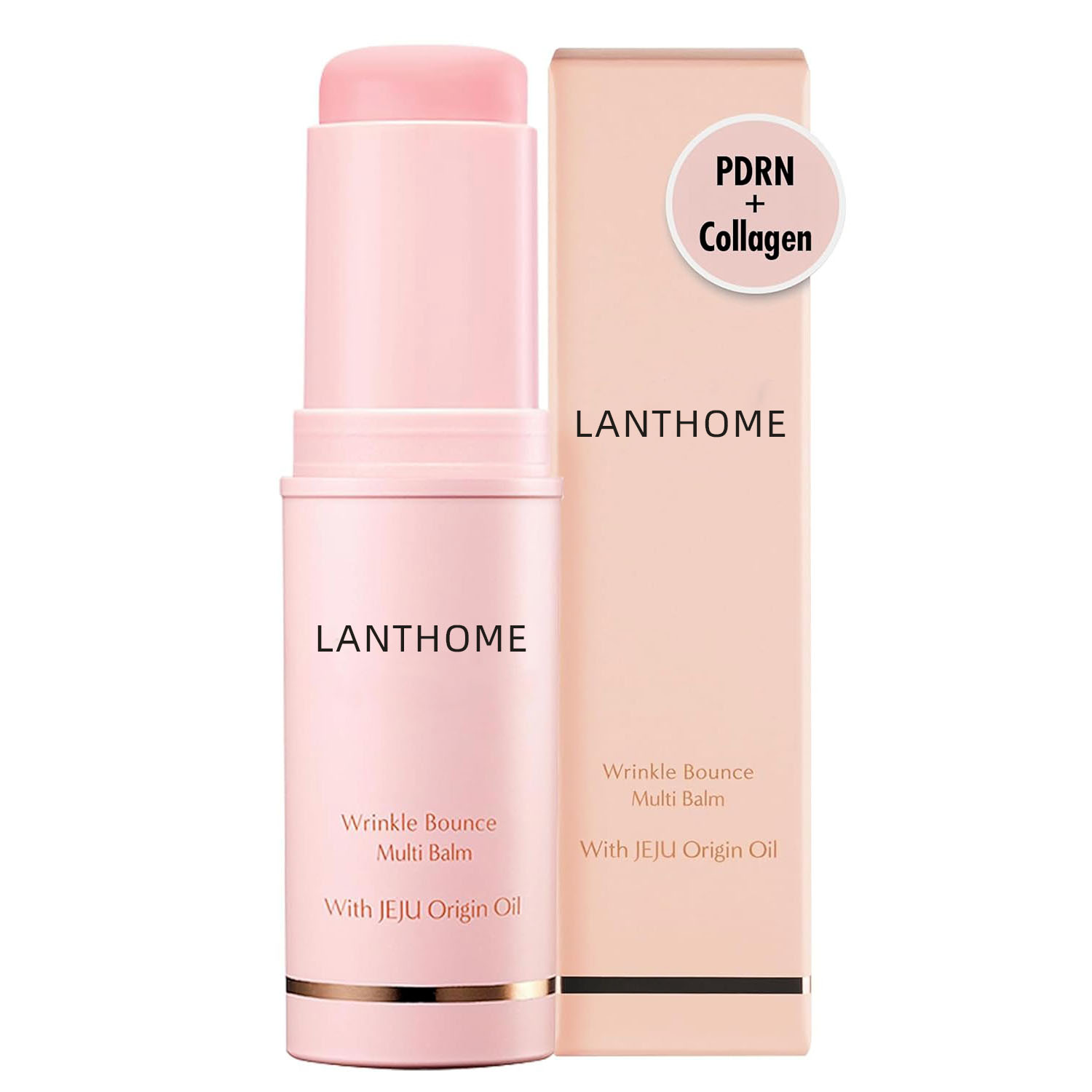
The Lanthome PDRN Collagen Multi Balm Stick provides a concrete reference for this planning process. Its page describes a portable pink solid serum balm for private-label face care collections. This guide uses that published direction to explain how buyers can build a retail plan. Product evaluation remains a separate workstream; the balm stick sample evaluation guide covers the practical review of samples.
Start with the product information you can actually confirm
The reference page lists a solid serum balm format, capacity directions of 15 ml, 30 ml and 50 ml, and OEM, ODM and private-label service. It names PDRN, collagen and hyaluronic acid as product direction signals. It also invites buyers to review artwork, capacity and packaging for their target channel.
Those details give the merchandising team a starting point. They do not establish the dimensions of each finished package, a final retail ingredient declaration, or a price for the version your brand intends to buy. The page itself asks buyers to confirm the sample, packaging specifications, artwork, documentation and target-market wording before production.
Record the source product name and URL in the commercial brief. Beside them, identify the proposed brand name and the exact version under discussion. This simple distinction prevents a reference image or an early capacity choice from being treated as the approved retail item when the project moves between buying, design and operations.
Give the balm stick one primary assortment role
A range becomes harder to explain when every product is positioned as the answer to every shopping occasion. Decide which job the balm stick should perform first. A portable-format addition to an established face care line needs a different introduction from the first product a new brand offers.
For an existing collection, map the proposed stick beside the products customers already understand. Describe the difference in format and presentation using confirmed information. If the only explanation is a longer ingredient headline, the assortment story may need more work before another item is added.
For a new brand, consider the operational demands of making the stick a lead product. Photography, educational content, customer questions and replenishment planning will all depend on this one item. The team should be able to explain what it is, how the final approved version is presented, and why it belongs in the chosen range without relying on an unverified performance promise.
Write the assortment role as one sentence that the whole team can repeat. For example, a buyer might plan “a portable solid balm format within our face care collection.” This is an illustrative positioning brief, not evidence about consumer demand or a promise of commercial results.
Translate the sales channel into a buying brief
“Suitable for retail” is too broad to guide packaging decisions. A direct online launch, a physical shop and a distributor catalog expose the product in different ways. Name the first sales channel, the person choosing the assortment and the person maintaining the product information after launch.
An online listing needs images that make format and scale understandable without handling the pack. A store presentation needs a legible front view and a workable display position. A distributor needs a dependable product record that can be shared with downstream buyers. These are planning requirements to test against the proposed version, not capabilities to assume from a product photo.
Use a short channel brief before requesting a detailed quotation:
- Identify the primary channel and the secondary channel, if one is already planned.
- Describe the product's intended place in the range and the buying occasion you want to support.
- State the package information, imagery and product data each channel will require.
- List the people who approve commercial terms, artwork and the final product record.
- Flag any unanswered channel requirement that could change the package or launch plan.
Send the same brief with each version request. Comparing responses becomes easier when the commercial assumptions stay visible.
Separate capacity from the space the package occupies
Capacity describes the amount presented for the product; it does not tell a retailer the finished package's width, height or display footprint. The reference page offers 15 ml, 30 ml and 50 ml directions, but it does not provide complete dimensions for each proposed retail configuration. Ask for the specifications of the exact version being considered.
Measure the whole retail presentation
If a carton is proposed, evaluate the carton and the primary pack together. A compact-looking stick in a photograph may occupy a different amount of space once the full presentation is included. Request dimensions, an artwork layout and a physical or dimensioned mockup suitable for the display review.
For an online channel, consider whether the package can be photographed clearly beside the other items in your collection. For a physical channel, use the proposed fixture layout to check visibility and spacing. Warehouse and fulfillment colleagues should review their own handling requirements using the same specifications.
Compare choices against the same role
Do not rank capacities simply from smallest to largest. Compare each proposed version against the assortment role, presentation requirements and complete commercial offer. A larger capacity may change the budget or display plan; a smaller one may change the space available for information. Establish those consequences from the version under review instead of guessing from nominal capacity.
Keep the initial SKU plan easy to manage
Every added version needs a reason that is stronger than visual variety. Different capacities, artwork versions or other proposed changes can create separate product records and approval work. Decide which variations your brand actually needs for the initial channel before requesting a wide set of alternatives.
A useful internal matrix connects each proposed SKU to its audience, channel, package specification and reason for existing. If two entries have the same role and no clear operational distinction, examine whether both belong in the launch. This is an assortment decision, not a recommendation for a specific order quantity.
Assign an internal version identifier as soon as an option is discussed. Carry it through the quotation, mockup, sample review and content draft. A plain label such as “retail version A” is useful only if it resolves to one documented specification; the name should never stand in for the specification itself.
The product catalog can help a buyer view the balm stick alongside other formats. Treat that exploration as range planning. It does not mean that two products share a formula, packaging system or commercial terms.
Design merchandising around a clear product identity
The first task of the display is to make the product understandable. A customer should be able to identify the brand, the product format and the specific item being offered. Decorative copy should support that identity instead of forcing staff or imagery to explain what the package is.
Prepare a simple display mockup using the proposed package dimensions and approved product naming. Review it from the position where the customer will encounter it. Check whether the product name is readable and whether neighboring products make the range easier to understand. Record the changes needed before commissioning final display assets.
For online merchandising, plan a sequence of images with distinct jobs: the product identity, the proposed pack presentation and a clear format view. Use current product imagery as a reference during planning. Final photography should depict the approved saleable version so that shoppers do not receive a package that looks different from the listing.
Any tester or demonstration plan also needs an owner. Establish how the retail team will handle it and which approved directions they will use. Do not improvise application instructions or skin-related promises merely because a format looks familiar. The merchandising brief should direct staff to the final product information when those details are settled.
Review artwork as working retail information
Artwork review should happen at realistic viewing size. A headline that looks clear on a large monitor may become difficult to read on a small pack. Ask the design team to show the front, back and any proposed carton as a coordinated set, using the actual layout supplied for the selected version.
Keep creative approval separate from factual approval. Brand colors and visual hierarchy can be reviewed by design, while product identity, capacity and supporting wording need to match the agreed record. Confirm any market-specific information with the appropriate reviewer before the artwork is approved for use.
Check the following as a practical artwork pass:
- Match the product name and capacity to the version being ordered.
- Reserve readable space for the product information agreed for the target channel and market.
- Confirm where the barcode or other retailer-required identifiers will go, if needed.
- Check that bottle or stick artwork, carton copy and digital product naming refer to the same item.
- Record the approved file version and the person responsible for releasing it.
Product names on the source page are not a substitute for your final wording review. Ingredient direction can inform the brief without becoming an unsupported retail claim.
Compare commercial scenarios with explicit assumptions
A retail plan becomes more useful when it shows how a decision changes the whole project. Ask for comparable offers tied to documented specifications, then model the consequences internally. Avoid comparing a bare product figure with a figure that includes a different pack or artwork scope.
Scenario A: a focused online introduction
As an illustration, a brand could begin with one selected balm stick version and one product listing. Its planning priorities might be a clear image set, a concise product explanation and a fulfillment setup for the approved package. The buyer would ask which elements are included in the quoted version and what remains for the brand to arrange.
Scenario B: a coordinated store presentation
Another illustrative brand could place a balm stick within an existing face care display. Its review would pay closer attention to package dimensions, front-facing naming and consistency with neighboring items. Any proposed display materials would need their own specification and commercial confirmation.
Neither scenario is a Lanthome quotation, a sales forecast or a statement that a particular supply arrangement is available. They show how the same product direction can generate different buying questions. Use your own confirmed figures to compare product, packaging, freight, channel and content costs where applicable.
Keep unresolved items visible in the comparison. An option with several costs still unconfirmed should not be presented internally as the cheapest complete launch.
Maintain one product record across every channel
Content drift often begins with an innocent shortcut: a buyer forwards an early description, a designer shortens the name, and a sales team reuses a draft image. Establish one approved product record so each channel draws from the same information.
The record should identify the retail product name, selected version, capacity, approved description, image assets and the owner of the supporting documents. Record which statements have been approved for use and which remain internal development language. Keep links to the source material and the current artwork file rather than attaching unlabelled copies to every message.
Use this record to brief the store team, create the online listing and prepare distributor information. Different channels can adjust the length and presentation of copy while retaining the same underlying facts. A short shelf label should not introduce a stronger promise than the detailed product page.
The Lanthome blog can provide supporting buyer education. Educational articles should help readers make decisions and then direct them to the current product information; they should not become an alternative specification that competes with the approved product record.
Decide how you will judge a reorder before launch
Define the evidence the team will use at the first assortment review. Useful internal observations may include sales by channel, customer questions, remaining inventory by version, returns and the reasons customers give for them. Select measures you can collect consistently rather than creating a dashboard no one will maintain.
Interpret the observations together. A slow-moving version may need a clearer listing, a different presentation or a fresh commercial review; the numbers alone do not identify the cause. Repeated confusion about the format could point toward naming or imagery that needs work before more inventory is committed.
Before a reorder, reconfirm the exact product and package specification. A familiar SKU name does not prove that every commercial detail remains current. Ask whether the quotation, packaging, documentation or approved artwork needs updating and resolve differences before repeating the order.
The review should end with a specific decision and an owner: reorder the agreed version, investigate a problem, revise the presentation or evaluate a documented alternative. That keeps retail planning connected to what customers and operations actually encounter.
Hand over a brief that supports the next decision
A strong private label balm stick brief connects assortment logic with a specific product version. It tells the supplier what needs to be discussed and gives your own team a consistent basis for reviewing the response.
Before sending the inquiry, bring together the core decisions:
- State the balm stick's assortment role and first sales channel.
- Identify the capacity direction and request the complete package specifications.
- Describe artwork, imagery and product-data requirements for the launch.
- Separate confirmed choices from questions that still need a response.
- Name the internal owners for commercial review, product information and final approval.
Review the OEM/ODM development process for the broader project pathway, then use the project inquiry page to share the brief. The most useful starting point is a clear retail decision supported by a traceable product reference.
Related Links
- PDRN Collagen Multi Balm Stick - Explore the portable pink solid serum balm direction for private-label face care collections.
- Skincare Products - Review the current product catalog when planning a coordinated assortment.
- OEM/ODM Development - Review the site's development pathway for a private-label project.
- Lanthome Blog - Find practical articles for skincare buyers and brand owners.
- About Lanthome - Read the brand's company information.
- Start a Project - Share your target market, product direction and sourcing questions.
- Private Label PDRN Balm Stick: Sample Evaluation Guide - Review a separate framework for evaluating a balm stick sample.