A private label skincare set wholesale line sheet should help a buyer identify an offer and ask a precise next question. It brings the product reference, set contents, order unit and contact details into one readable document. When those elements are unclear, an attractive presentation can still generate avoidable questions about what is included or which version the buyer is discussing.
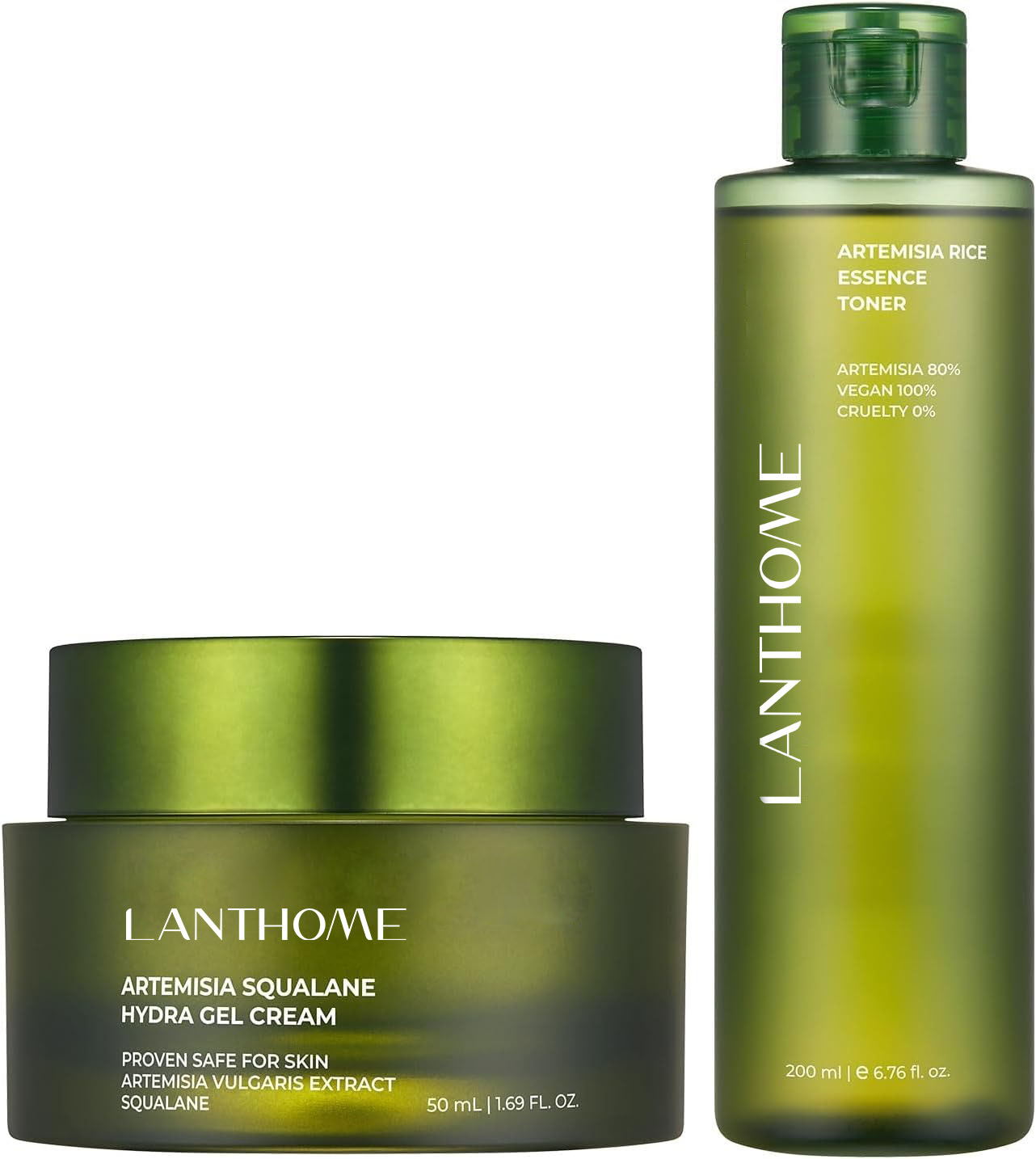
This guide uses the Lanthome skincare set catalog reference to explain how to prepare that document. The product page places model 1601596817430 in Skin Care Set and lists OEM, ODM and private label service. Its main image shows a green-colored jar and bottle with existing printed text. The image identifies a visual reference, not a complete specification for a new branded assortment.
The page leaves its capacity field unfilled and asks buyers to contact the company for minimum order guidance. Do not fill those gaps by treating pictured numbers or ingredient language as approved project data. A useful line sheet distinguishes confirmed offer details from questions that still need an answer, while making it easy for a buyer to request that answer.
Give the document one clear commercial purpose
Decide whether the line sheet introduces a proposed assortment, supports a wholesale discussion, or presents a confirmed set available under agreed conditions. Write that purpose near the beginning. A concept document and an order-ready presentation may look similar, but they should not imply the same level of readiness to a buyer who receives the file without the original email.
Keep the document focused on the next decision. If the buyer needs to choose between proposed set configurations, show those differences clearly. If the configuration is already selected, concentrate on identifying the offer and the information needed for the next conversation. Avoid using one crowded page to replace a product specification, a campaign brochure and a detailed commercial proposal simultaneously.
Name the intended reader as part of your internal brief. A distributor comparing assortments may need different emphasis from a brand manager preparing a private label project. Both need accurate identification, but the questions they ask next can differ. That audience decision helps determine which fields deserve space and which belong in a linked supporting document.
Establish a reliable product identity
Create a short display name that readers can remember, then connect it to a stable product or set reference. Preserve the supplier's model reference in your internal mapping. If your brand uses a separate code, record both so an inquiry about your document can be traced to the correct supplier conversation without relying on a long descriptive title.
Keep names and references in separate fields
A display name communicates the assortment, while a reference distinguishes one offer from another. Do not expect an ingredient-heavy title to perform both jobs. For the linked catalog item, the model number helps identify the source, but it does not establish your future retail SKU or prove that a particular branded configuration has been approved.
Check the name against the supporting record before distribution. If the name changes during brand development, decide whether the identifier remains the same and update the mapping. Buyers may retain an older PDF, so the reference should help your team recognize what they saw even when the wording or page design has since changed.
Describe exactly what belongs to the set
List the components of the proposed or confirmed offer in plain language. For each component, identify the product reference and its status. A photograph showing a jar and bottle can begin a discussion, but it does not establish whether both are included in every offer, whether an outer box is supplied, or whether a photographed accessory belongs to the purchase.
Ask the product owner to confirm the component list before writing an unqualified statement about the set contents. Keep optional items visibly separate from included items. If the assortment is still being developed, label the list as proposed and direct the buyer to the person who can confirm the final configuration rather than presenting uncertain details as settled.
Record the difference between a full set and individual components. A buyer asking for a refill or a single item may otherwise use the set reference when discussing something else. Even if individual ordering is not offered, a clear statement of the confirmed ordering structure can prevent your team from responding with assumptions about what the buyer meant.
Define the unit used for every quantity
A quantity has little meaning without its unit. Distinguish an individual container, a complete set, an inner grouping and an outer shipping carton when those distinctions apply to your offer. Use the same wording throughout the line sheet and supporting documents. Avoid switching casually between pieces, units and sets if the terms refer to different things.
Make the meaning of one set explicit
If a confirmed set contains several components, explain that one set refers to the complete defined assortment. Do not infer a carton configuration from a sample photograph or from another project. Ask for the applicable packing information and keep it connected to the exact offer being discussed, especially when alternative configurations are under consideration.
Review each numerical field by reading it aloud with its unit. A minimum quantity, sample quantity or packing count should remain understandable outside the surrounding paragraph. This simple editorial check can reveal ambiguity before it reaches a buyer. Where a value has not been confirmed, state that confirmation is needed instead of leaving an unexplained number or an apparently empty promise.
Use images that represent the offer accurately
Choose an image that corresponds to the configuration described beside it. If the image is a catalog reference or a provisional mockup, identify it accordingly. A polished visual can carry more apparent authority than a small note elsewhere on the page, so place the status close enough that the reader sees both together.
For the Lanthome reference, the green-colored jar and bottle are visible features. The printed wording and numbers are part of the photographed reference. They should not be silently adopted as approved capacities, ingredient concentrations, certifications or benefits for a new brand. Confirm the final project information and use an appropriate approved image when the offer is ready for external presentation.
Keep each product recognizable at the actual document size. Check whether the image shows extra units, accessories or decorative elements that could be mistaken for included items. Where several variants appear together, label them clearly. A line sheet should make it easier to identify an assortment, not require the buyer to decode a lifestyle scene before understanding the offer.
Write a concise description with a defined basis
Use a short description to explain the product category and the confirmed assortment direction. Prefer information that helps the buyer understand what is being discussed. Repeating a long string of search terms may increase the amount of text without improving the buyer's ability to distinguish the offer from another set on the same page.
Separate visible presentation details from product claims. A color description explains an image; it does not establish an ingredient story. Similarly, an ingredient mentioned in a catalog title does not by itself support a claim about a finished private label formula. Ask the product team which wording is approved for the specific version and audience before including it.
If the description is still provisional, identify who owns its approval and what information is missing. Keep internal questions out of the buyer-facing paragraph once resolved, but preserve the source record for future updates. This approach lets the line sheet remain readable while giving your team a clear basis for the wording it publishes.
Keep commercial information clearly scoped
Decide which confirmed commercial details belong on the line sheet and which should be provided in a separate response. If your team includes a price, minimum quantity or availability statement, attach it to the precise offer and unit it describes. A number copied from an earlier discussion may refer to a different assortment, packaging choice or stage of development.
Use only information authorized for this document and its intended recipients. Do not invent a wholesale price, suggested resale price or standard production interval to make the sheet look complete. Where a field requires discussion, use a clear inquiry route and explain what the buyer should provide so the response can address the correct configuration.
Keep the owner and review date of commercial fields in the internal record. When a value changes, update the affected document and let the responsible team know which version is current. This is document coordination rather than pricing advice: the aim is to ensure the information shown matches the offer your team is actually prepared to discuss.
Present variants without creating accidental offers
When several configurations are being explored, give each one a distinct reference and a clear status. Explain the difference that matters to the buyer, such as a proposed component combination or packaging presentation. Avoid showing a grid of possible options that makes every combination appear available when the supplier has only confirmed some of them.
Separate confirmed options from development ideas
A development idea can be useful in an early conversation, but it needs a different label from a confirmed offer. Ask the team to review whether a buyer could reasonably interpret the page as a menu of ready selections. If so, either verify those selections or adjust the presentation so its exploratory purpose is unmistakable.
Limit the page to the variants relevant to the conversation. Additional options can be kept in a supporting document or discussed after the buyer narrows the direction. This helps preserve readable images and specifications while reducing the risk that a buyer asks for a mixture of components that was never intended as a single set.
Arrange the page for quick comparison
Use a consistent field order across entries so the reader does not have to search for the set reference or included items each time. Keep identifying information near the image, followed by the short description and the confirmed ordering details. Place the inquiry route where it remains visible when the document is printed or forwarded as an attachment.
Avoid shrinking text to fit too many entries on one page. A line sheet that looks compact on a large monitor may become difficult to use on a smaller screen. Review the exported file at a realistic viewing size and check whether the buyer can read the fields that are essential to the next decision without repeated zooming.
Use headings and spacing to show which information belongs to which product. Do not rely only on color to distinguish statuses or variants. A written status remains understandable in a grayscale printout and is easier to quote in an inquiry. The design should reinforce the information hierarchy rather than make the buyer interpret decorative signals.
Connect the sheet to supporting product information
Provide a direct route to the relevant product information and a clear contact for questions. Test links in the exported document rather than assuming they survived from the design file. A link should lead to the intended reference, not merely to a broad catalogue where the reader must search again for the item they were viewing.
The Lanthome product catalogue can support broader exploration, while the specific reference link identifies the starting item for this guide. For a private label project, keep the distinction between the public catalog reference and the approved project specification clear. A general website page may not contain every detail agreed during development.
Tell the buyer what to include in a useful inquiry: the set reference, desired configuration, intended market and questions about unresolved fields. This makes the contact invitation more actionable than a generic request to get in touch. Keep the instructions brief enough that they support the product information instead of overwhelming it.
Review the complete document before sharing
Ask a colleague who did not prepare the sheet to identify the offer, its contents, its ordering unit and the next step. Any hesitation can reveal a gap that is easy for the author to overlook. Check the exported document as a whole because layout changes can separate a qualification from the information it was intended to explain.
Reconcile the sheet with its source record
Compare product references, images, component lists and confirmed values against the current project record. Verify that a change made in one field has been reflected wherever it matters. If the image shows an older packaging version, decide whether it can remain as a clearly marked reference or whether it must be replaced before distribution.
Keep a short approval record stating who reviewed product accuracy and who reviewed the commercial fields. An attractive design review should not be mistaken for confirmation of every specification. Save the accepted export separately from working drafts so the person sharing the file can identify the correct version without relying on informal filenames such as final-new-latest.
Maintain the sheet as the assortment develops
Assign a revision identifier and an issue date to each distributed version. Keep the file connected to the product record and record the changes that prompted a revision. A component substitution, packaging update or change in the confirmed ordering structure may require more than a simple image replacement. Review the full entry whenever its underlying offer changes.
If a buyer responds to an older version, use its reference to understand the context before answering. Explain relevant updates clearly rather than assuming they have already seen the newest file. Maintaining a small archive of issued versions helps the sales team connect an inquiry to the exact assortment and information that generated it.
To begin with Lanthome, share the skincare set reference and the audience for your proposed line sheet. Ask the team to confirm the component configuration, approved product information and any open ordering questions. Once those facts are available, the document can become a useful bridge between a catalogue idea and a focused wholesale conversation, with each field tied to a clear source and purpose.
Related Links
- Lanthome skincare set reference- Review the source product and model before defining an assortment.
- Product catalogue- Browse the site's current skincare references.
- OEM and ODM development- Explore the site's private label development information.
- About Lanthome- Read the company introduction.
- Start an inquiry- Share your set reference and information requirements.
- Buyer journal- Read additional sourcing and brand development guides.
- Skincare set quote comparison guide- Organize the questions behind a separate supplier quote discussion.