Updated 5 September 2026.
Sourcing a private label PDRN capsule serum starts with defining the format accurately. A visible capsule texture, a serum presentation and a particular bottle are connected parts of a product brief, but they are not interchangeable specifications. Buyers need to establish what the proposed version includes before comparing samples, packaging options or quotations.
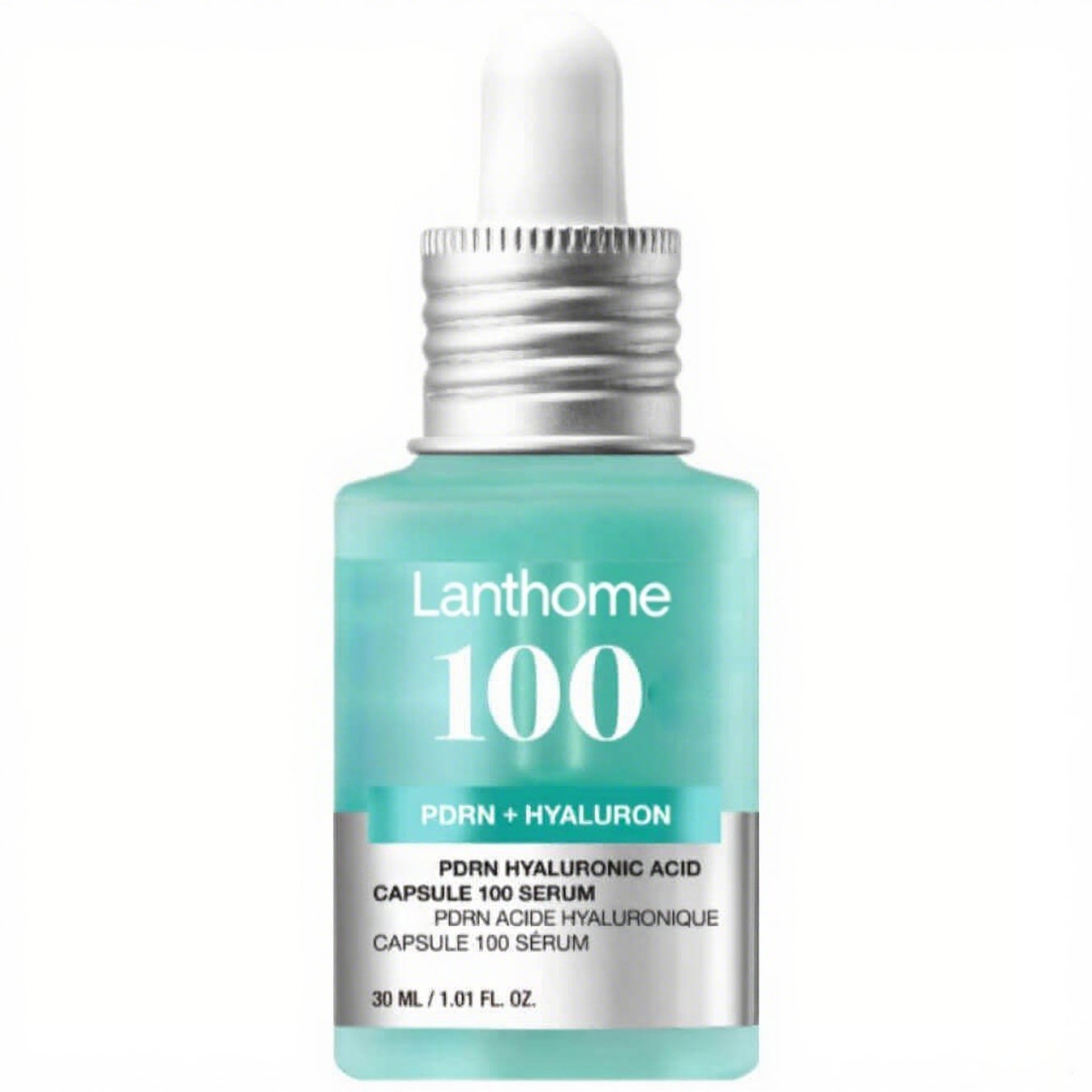
The reference product for this guide is the Lanthome PDRN Hyaluronic Capsule Serum. The current product page identifies it as a capsule serum in a 30 ml direction. This guide therefore discusses serum sourcing throughout. Calling the same reference a capsule cream would create confusion about the product being requested and the samples being assessed.
The practical objective is an agreed product version that buying, design, quality and operations can recognize from the same record. A clear sourcing process makes that agreement easier to reach.
Define what capsule texture means in this project
The product page describes a serum with a visible capsule texture. That is the supported format description. It does not establish that the product consists of individual single-use capsules, nor does it explain a particular encapsulation mechanism. Avoid adding either interpretation to a purchasing brief without a specific answer from the supplier.
Ask how the capsule appearance is intended to look in the proposed sample, how the texture presents during dispensing, and which reference image belongs to the version under discussion. These questions turn a visually distinctive product idea into something the team can review consistently.
The distinction also matters for customer-facing language. “Capsule serum” should help identify the format, while the description and images clarify the actual presentation. Do not allow a designer to illustrate loose capsules or a cream jar simply because those associations appear in unrelated search results.
Keep the complete source name in the project record even if your brand develops a different retail name. Linking the working name back to the exact product URL gives everyone a reliable point of reference.
Separate published directions from the final specification
The current page lists a 30 ml capsule serum direction with PDRN and hyaluronic acid. It describes visible capsule texture and offers natural-color and fragrance-free directions for review during sampling. Packaging discussions can include the bottle, dropper, carton and custom artwork.
These details help establish an initial brief. A direction offered for discussion is not the same as an approved specification for your brand. Record whether the sample you receive represents the fragrance-free direction, which packaging components it includes, and which choices remain open.
The page also says that delivery timing is confirmed after formula, packaging and sample approval, and that documentation and target-market support are confirmed per project. Build those dependencies into the sourcing schedule instead of copying an assumed delivery date or treating a general support statement as a particular certificate.
A useful working document has separate spaces for source information, the version requested and the version confirmed. As decisions develop, the team can see which information came from the catalog and which was agreed for the actual project.
Write a formulation brief people can respond to
A formulation brief should explain the intended product experience and the boundaries of the request. Ingredient names alone do not describe appearance, flow, dispensing or how the brand wants the finished item to fit within its collection. Give the supplier enough context to propose a sample direction and identify open questions.
Describe desired sensory characteristics as observations to review. For example, you can request a discussion of capsule visibility, spreading behavior and the feel after application without claiming that the product delivers a specific outcome. If a proposed direction cannot be assessed from the available sample, record that limitation.
Build the initial brief around these decisions:
- Identify the 30 ml capsule serum reference and the target channel and market.
- Describe the capsule appearance and overall texture direction you want to review.
- State whether you want to evaluate the page's fragrance-free and natural-color directions.
- Explain the preferred bottle presentation and ask which dispenser version will be sampled.
- Identify any ingredient or wording questions that require documentation.
- Name the internal reviewer who can consolidate feedback and approve the next sample request.
The OEM/ODM development page provides the broader project pathway. Use the brief to make each discussion within that pathway specific to this serum.
Give every sample a traceable identity
A sample is useful only when the team knows what it represents. On receipt, connect it to the request, product version and available supplier reference. Record the arrival date, the packaging received and whether the container is a development presentation or the proposed retail pack.
Photograph the sample with its identifying information for the internal project record. Keep the photo separate from marketing assets. An image used to discuss development should not become a public product image before the final presentation is agreed.
Ask the supplier to explain any difference between the sample received and the quotation under review. A different dispenser, carton or formula direction can change what the team is evaluating. Rather than assuming the difference is unimportant, describe it and confirm which conclusions can still be applied to the intended version.
Consolidate feedback into one response. If several colleagues send incompatible instructions independently, a supplier may have no clear basis for the next iteration. A single owner can preserve individual observations while turning them into an agreed list of questions and requested changes.
Review the dispenser and serum together
The page names a 30 ml bottle, dropper, carton and custom artwork as packaging options. It also calls for compatibility review during sampling. Treat the dispenser as part of the product evaluation instead of choosing it solely for appearance.
Observe the actual dispensing sequence
Use the instructions supplied for the sample and record what happens through the sequence of opening, drawing or dispensing product, and closing the pack. Describe the result plainly. If the capsule appearance differs between the bottle and the dispensed material, ask whether that matches the intended presentation for the version received.
Also record handling details the team wants clarified, such as how the dispenser should be used and what the finished directions should explain. These observations are input for development; they do not establish general compatibility or predict the performance of every production unit.
Confirm the presentation being quoted
A bottle photograph may not answer every question about the included components. Ask for the exact bottle and dispenser specification, the proposed carton, the artwork scope and any options priced separately. Ensure the sample record and commercial offer use the same component identifiers or an equally clear description.
If packaging changes after the sample review, ask which parts of the earlier assessment need to be revisited. Keep that answer with the new version record.
Use sensory notes that another reviewer can understand
Vague comments such as “more premium” or “better texture” are difficult to act on. Write observations about what the reviewer saw or felt, then explain the desired direction. A clear note might describe visible capsule distribution in the sample or the effort needed to spread the dispensed product.
Keep appearance, fragrance and tactile observations separate. That helps the team distinguish a concern about visual presentation from a concern about the requested fragrance direction or handling experience. Use consistent lighting for comparison photos and document the review method so that later discussions have context.
The product page's fragrance-free direction should remain a question to confirm for the selected version. A reviewer's impression of little or no scent does not establish the formula's fragrance specification. Similarly, a preferred feel does not prove a claimed benefit.
Use the sensory review to decide whether the sample matches the agreed development brief. If the business wants to make specific performance statements later, request the supporting information and an appropriate review of the proposed wording. Keep those decisions distinct from a buyer's personal sample preference.
Turn feedback into a useful revision request
Before asking for another sample, decide which observations require a change and which require an explanation. A capsule appearance question might be resolved by identifying the correct reference version. A dispensing concern may need a packaging discussion. Sending every question as a formula change can obscure the real issue.
Group the feedback around the agreed brief and explain the commercial reason for each requested revision. If the brand needs clearer format visibility in product images, say so. If the dispenser creates uncertainty about the intended directions, ask for clarification before requesting a different component.
When multiple changes are proposed, ask the supplier how they should be reviewed together. Formula direction and packaging choice can be connected, so record the sample version that will represent the combined request. Do not assume a favorable observation from one version automatically applies to another.
Close each review with a written decision: accept the specified direction for the next stage, request a documented revision, or hold a question open pending information. This gives the next conversation a definite starting point.
Ask for documents by purpose
A general request for “all certificates” rarely explains what the buying team needs to decide. Identify the purpose of each document request and the product version it must support. The source page says documentation and target-market support are confirmed per project; it does not list a universal set of approvals for every destination.
Use a document tracker that asks for specific information:
- Request the ingredient information needed to review the selected formula and proposed product wording.
- Request the product and packaging specifications that identify the version being supplied.
- Ask which available test documentation applies to the formula and packaging combination under discussion.
- Identify the target market and ask what relevant supporting information can be provided for review.
- Record each document's version, the product it covers and any unanswered question about its applicability.
Give an internal owner responsibility for checking the responses. Receiving a document is not the same as confirming that it supports the product version or statement your brand intends to use.
If a request remains unresolved, state the practical consequence in the project record. For example, particular artwork wording may remain unapproved until the supporting information is reviewed. This keeps a document gap from disappearing inside a general “sample approved” status.
Compare quotations on a like-for-like basis
An informative quotation needs a defined product version. Ask that the commercial response identifies the capsule serum direction, capacity, packaging components, artwork scope and any assumptions that affect the offer. Compare proposed options using those same fields.
The source page gives sampling and customization guidance, while noting that final MOQ, timing and documentation depend on the selected formula, packaging and target market. Use the current page as a starting point for the conversation, then request confirmation for your particular configuration. Catalog guidance should not be copied into an internal purchase commitment as an agreed term.
Separate the base offer from alternatives. If one proposal includes a carton or a different artwork process, show that difference explicitly before comparing totals. Ask what is included, what remains optional and what the brand must arrange itself. A missing figure should remain an open item instead of being treated as zero.
Likewise, distinguish a requested launch date from a confirmed schedule. Share the business timing and ask which approvals or choices need to be completed before a schedule can be established. The resulting comparison should help the team choose a documented option with a clear understanding of the remaining work.
Keep product naming consistent through the handover
Use “capsule serum” consistently in the brief, quotation comparison, artwork request and draft listing for this reference. If the brand proposes a new retail name, preserve a clear mapping to the approved product specification. A revised name should not silently change the description into a cream or a single-use capsule product.
Choose final imagery from the approved presentation and keep it connected to the corresponding product record. The current reference gallery on the PDRN Hyaluronic Capsule Serum page is the appropriate visual starting point for this sourcing discussion. Final brand assets should be checked against the version actually selected.
The wider skincare catalog may help the team consider where the serum fits in a collection. Make any range comparison at the level of format and project requirements. Similar ingredient language across two products does not establish identical formulas, packaging compatibility or shared documentation.
Finally, make sure customer-facing descriptions use only the wording approved for the selected version. Development notes are useful context for the team, but they should not be copied directly into a product listing without review.
Complete the sourcing handover with named owners
The handover should let a colleague identify the chosen product without reconstructing a long message history. It should also show what is approved, what remains open and who can answer the next question. That makes the transition from discussion to the next project stage more dependable.
Before moving forward, assemble the following:
- The approved brief, product version and sample reference, with the latest review decision.
- The agreed bottle, dispenser, carton and artwork records for the selected presentation.
- The commercial response and a visible list of unresolved terms or options.
- The document tracker, including the reviewer responsible for remaining questions.
- The current product name, approved description and imagery references for the content team.
Recheck the record whenever a substantive choice changes. A new package, a revised formula direction or updated wording should prompt a review of the affected approvals, rather than a simple file replacement that other teams may miss.
To begin a focused discussion, use the Lanthome inquiry page with the capsule serum reference, target market and preferred packaging direction. A sourcing brief that describes the actual format and the next decisions gives both sides a practical basis for developing the project.
Related Links
- PDRN Hyaluronic Capsule Serum - Review the current 30 ml capsule serum direction, packaging information and product gallery.
- Skincare Products - Explore the current catalog when considering the serum's role in a collection.
- OEM/ODM Development - Review the site's pathway from product brief to development decisions.
- Lanthome Blog - Find practical sourcing and planning articles for skincare buyers.
- About Lanthome - Read the brand's company information.
- Start a Project - Send the product reference and your sourcing requirements.
- Private Label PDRN Balm Stick: Sample Evaluation Guide - Explore a separate sample-review framework for the solid balm stick format.