A private label facial mask sample shipment should arrive with enough context for the receiving team to use it productively. A box of unnumbered samples may reach the correct address yet leave everyone unsure which version they have, what they are supposed to review, and where their comments should go. Planning the handoff before dispatch helps connect physical samples with the decisions your brand needs to make.
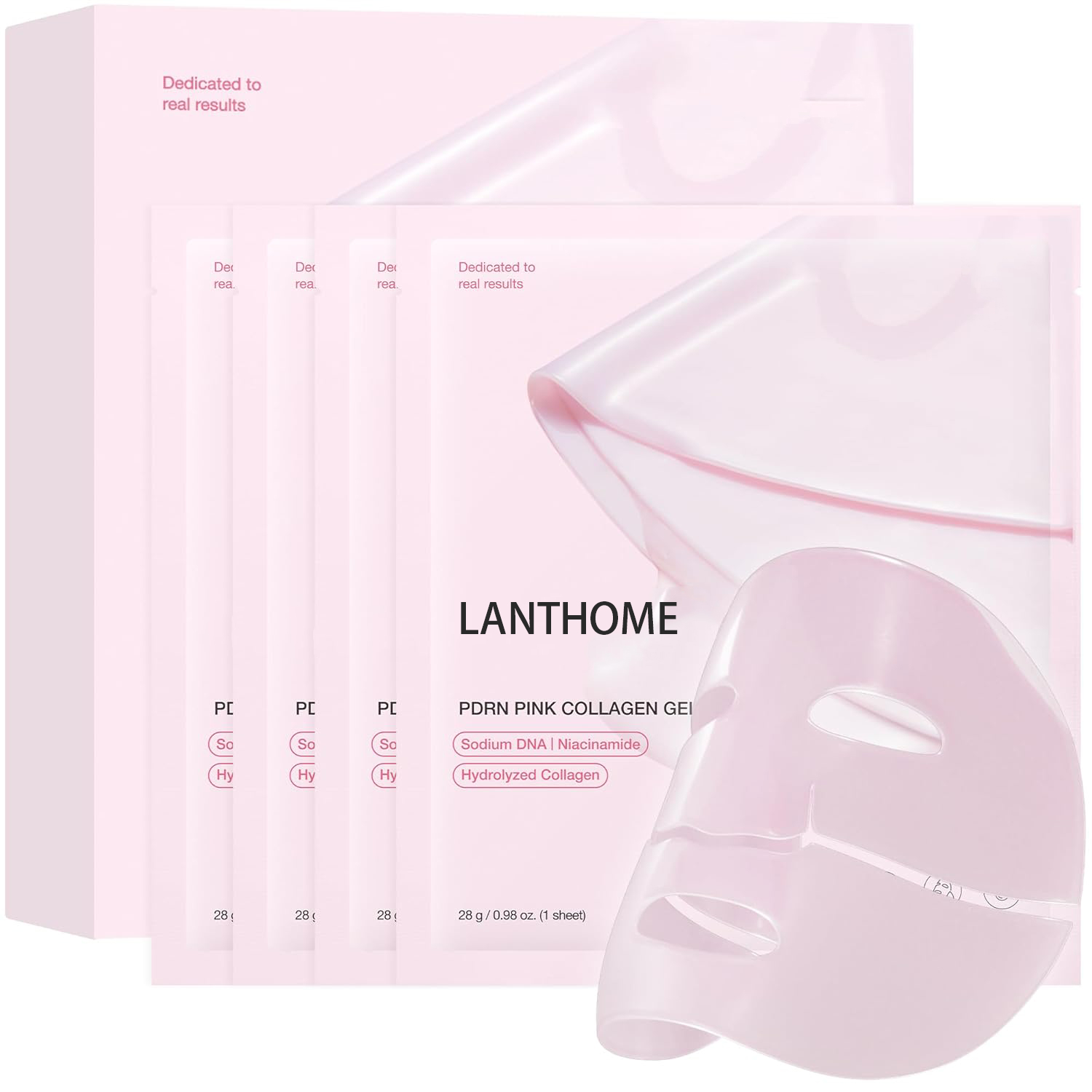
This guide uses the Lanthome facial mask catalog reference as a starting point for sample coordination. The page identifies model 1601635582205 in Face Care and lists OEM, ODM and private label service. Its main image shows pink pouches, a matching carton and a facial mask illustration. Those visuals help identify the reference being discussed; they do not confirm the contents of a future shipment.
The specification fields do not provide a filled capacity or a numerical minimum order quantity. Ingredient wording, positioning language and quantities shown in a catalog image should therefore be checked against the actual project information. The workflow below concerns how to request, identify, send and receive samples. It is not a claim that the pictured assortment, formula or packaging is already approved for your brand.
Decide what the shipment needs to resolve
Start with a short statement of purpose. Your team might need to compare proposed pouch presentations, inspect a packaging revision, or review a particular sample version after a supplier discussion. Name the decision clearly enough that someone receiving the parcel can understand why the samples were sent without reading a long email history.
Avoid combining unrelated questions into one vague request for samples. A packaging mockup, a product sample and a finished presentation sample can support different kinds of review. Ask the supplier what each offered item represents and what remains provisional. Record those distinctions in the request so reviewers do not interpret a visual mockup as a finished commercial product.
Give each review activity an owner. The person checking artwork may not be the person coordinating product evaluation. Neither should have to guess whether another department has already accepted the sample. A useful shipment plan connects every item to a recipient, a purpose and an expected response rather than treating delivery as the final milestone.
Write a sample request that can be answered precisely
Include the source product link and the model reference in the request. Then describe the versions you want to discuss, the destination and the intended review. Ask which samples are available, which details have been confirmed, and what preparation is still required. This gives the supplier a specific request to answer without implying that every proposed option is currently available.
Identify the unresolved information
Separate confirmed details from open questions. For the linked facial mask reference, request confirmation of the relevant sample identity, package contents and applicable product documentation. Do not infer a final count from the number of pouches arranged in the photograph. Equally, do not treat the catalog title as a complete ingredient declaration or a set of approved directions.
Ask for a response that maps directly to the request: item, version, available quantity, preparation status and questions needing your decision. If the supplier proposes a substitute, record the substitution before dispatch. A substitute can be useful for a limited purpose, but its role should be explicit so it does not quietly become the reference for a different product.
Create a simple identity system for every version
Use an identifier that remains attached to both the sample and its supporting record. A hypothetical code such as MASK-A-R1 can distinguish one version from MASK-A-R2, provided the shared record explains what changed. These example codes are organizational suggestions, not Lanthome model numbers or evidence of any available formula.
The record can include the supplier's reference, your project reference, the sample version and the date of the relevant confirmation. If a supplier already uses a suitable code, preserve it and add your own mapping rather than replacing it. Keeping both references reduces the chance that two teams discuss different objects using the same informal product name.
Agree where identification will appear without interfering with the original package information. Ask the supplier how samples will be distinguished in the shipment, and check that the recipient can connect them to the list. A label that makes sense only to the sender is not enough. Reviewers should be able to identify a sample after it has been separated from the outer carton.
Allocate quantities by activity and recipient
Plan quantities around the actual review rather than selecting an arbitrary large assortment. Ask each reviewer what they need for the agreed activity and discuss the resulting request with the supplier. The appropriate quantity depends on the project and the available samples; this guide does not prescribe a universal number of facial masks per review.
Distinguish inspection from other evaluation
Some items may be intended for inspecting the unopened packaging, while others may be allocated to a separately agreed evaluation process. Make that allocation visible before distributing them. Do not let one reviewer open every available unit if another needs an intact presentation reference. Confirm any handling or use instructions through the appropriate product contact.
If a reference item is to be retained, name its custodian and purpose. Also decide what happens when requested quantities cannot be supplied. You might narrow the review or schedule a later round, but the decision should be deliberate. Sending fewer items without revising the plan can leave the receiving team unable to complete the work it was expecting.
Confirm the receiving contact and delivery handoff
Use a receiving contact who knows a sample shipment is expected and can route it to the right people. Confirm the address, contact details and any practical receiving arrangements with that person. A company address alone may not tell a reception desk which team owns an unfamiliar parcel or whether a particular reviewer is available that week.
Ask the sender which shipment details will be shared and where they will be recorded. Keep the tracking reference, dispatch date and expected arrival information together once available. Treat an estimated arrival as an estimate, and update the review schedule when new information arrives instead of presenting an unconfirmed delivery date as a fixed commitment.
For route-specific transport questions, assign a contact to obtain the relevant instructions from the supplier and logistics provider. This guide does not determine shipping eligibility or required transport documents. Its purpose is to prevent those questions from being overlooked or answered by guesswork in a general sample email. Record the confirmed arrangements with the shipment reference.
Ask for a packing record before the parcel leaves
A packing record should make the relationship between the outer shipment and the individual samples clear. Ask for an itemized list showing the sample references and quantities actually packed. When the shipment contains multiple versions, group the entries in a way that the receiving team can reproduce during its arrival check.
Request useful photographs of the packed items and the identification system, if the sender can provide them. The aim is to document what was prepared, not to create marketing imagery. A clear overview and readable sample references may be more useful for this purpose than a styled photograph that hides the labels or leaves some items outside the frame.
Discuss the proposed packing approach and any sample-specific handling requirements with the supplier. Do not invent a temperature range, storage duration or transport tolerance based on the product category. Keep confirmed instructions accessible to the recipient. A well-organized shipment record supports communication, but it is not proof that packaging has passed a formal transport or stability assessment.
Send the information pack to the same destination
The digital information should arrive where the physical samples can be matched to it. Provide one agreed location for the item list, version references, review questions and relevant instructions. If documents are sent by email, identify the current set clearly rather than leaving several attachments with similar names and no indication of which one governs the review.
Include the status of each document
Mark whether a document describes the dispatched sample, a proposed future version or a general catalog reference. A packaging image might be illustrative, while a separate record identifies the actual sample. Make that difference explicit. The receiving team should not have to infer document status from the polish of its layout or the date it was downloaded.
Provide a contact for missing or conflicting information. If the sample list and a document disagree, ask the team to pause the affected review question and obtain clarification. Other independent checks may still continue. This prevents a small ambiguity from being silently resolved in different ways by several reviewers and then appearing as contradictory feedback.
Check arrival condition before distributing samples
At receipt, record when the parcel arrived and who accepted it. Compare the visible shipment identification with the expected record. Note any obvious damage or discrepancy before dividing the contents among reviewers. Photographs of the outer package and the arrangement on opening can provide context if the sender later needs to understand what was received.
Compare the actual sample references and counts against the packing list. Record missing, additional or unidentified items separately rather than changing the list to make it match without explanation. An extra sample may have been included intentionally, but the receiving team still needs to know what it is and whether it belongs in the planned review.
If an item appears compromised or its identity is unclear, keep it separate and request guidance before proceeding with the affected activity. Avoid drawing conclusions about a formula or packaging design from an unexplained arrival issue. This initial check establishes what is available for review; it does not replace the project's agreed quality or product evaluation process.
Distribute samples with a clear review assignment
Give each reviewer the assigned samples and the corresponding questions together. Record who received which reference and how many units were allocated. When samples move between colleagues, update that record so later comments can be traced to the correct version. A brief handoff note is usually more useful than relying on memory after several parcels arrive close together.
Keep the review focused on what the item can actually demonstrate. A pouch mockup can support discussion of layout and presentation, while a product sample may support a different agreed review. Reviewers should state the sample reference and activity in their comments. They should not extend an observation into a claim about performance or commercial readiness without the necessary separate basis.
Set a realistic feedback date after receipt and information checks, not merely after dispatch. If a reviewer is unavailable, decide whether to reassign the task or revise the schedule. This makes the delay visible while preserving the identity of the samples. It also helps the supplier distinguish a pending review from a request that has been abandoned.
Describe discrepancies in a way the sender can investigate
Write observations with the sample reference, the stage at which the issue was noticed and supporting photographs where appropriate. “The wrong sample arrived” gives the sender little to work with. A more useful report explains which reference was expected, which identifier was found and how that differs from the packing list.
Separate what was observed from an explanation that has not yet been established. For example, a damaged corner on an outer carton is a visible observation; attributing it to a particular handling event is a different claim. Ask the sender to review the evidence and advise the next step instead of presenting an assumed cause as a settled fact.
Keep the affected item connected to its record while a response is pending. If replacement, additional information or a revised shipment is proposed, record the decision and the new reference. Avoid mixing replacement samples into the original review without noting the change. Otherwise, comments from two different rounds may appear to describe a single consistent set of samples.
Close the review with a decision for each sample
Bring the feedback together by version and review purpose. Record which questions were answered, which remain open and what the next action should be. A sample may be useful for confirming a visual direction while leaving other project decisions unresolved. Describe that limited outcome accurately rather than recording a broad approval that readers may interpret as approval for production.
Keep sample acceptance specific
State the scope of any acceptance and identify who made it. Packaging presentation, wording, product evaluation and commercial arrangements can involve different decisions. Receiving a parcel, completing an inspection or liking a sample does not automatically complete all of them. The record should make clear what the team is ready to progress and what still needs a response.
For a further round, explain the requested change against the existing reference. Preserve the earlier comments so the supplier can see the reason for the revision. If a new sample code is assigned, connect it to the previous one in the shared record. This gives the next shipment a defined purpose and reduces repeated discussion of decisions already made.
Keep a shipment history that helps the next project
Retain the request, confirmed item list, dispatch details, receipt record and review outcome together. Organize them by shipment and sample version so they can be found without searching several personal inboxes. A concise history can help a new colleague understand why one option was selected or why another requires more information.
Review the coordination process after the round closes. Look for avoidable confusion such as unclear identifiers, missing review questions or documents delivered to the wrong person. Improve the next request based on those specific gaps. The goal is a repeatable handoff that leaves reviewers with useful samples and enough context to answer the intended questions.
To start a focused discussion with Lanthome, send the facial mask product reference, your target market, the sample review purpose and the proposed recipients. Ask the team to confirm available samples and the information that accompanies them. Once those details are agreed, the shipment can be planned around a concrete review rather than a general request to send something similar to a photograph.
Related Links
- Lanthome facial mask reference- Review the catalog reference and model before requesting samples.
- Product catalogue- Explore the site's current product references.
- OEM and ODM development- Read the site's development information.
- About Lanthome- Learn about the company behind the site.
- Product inquiry- Share your sample requirements and open questions.
- Buyer journal- Read more sourcing and brand development guides.
- Hydrogel eye patch packaging guide- Explore packaging decisions for another targeted-care format.