
Private label hydrogel eye patches need a packaging plan that makes the quantity inside as clear as the design outside. A buyer may request twenty patches, a designer may write twenty pairs, and a quotation may price one retail pack. Those descriptions represent different orders. Resolving that vocabulary early gives the brand a practical basis for comparing packaging proposals, preparing artwork and checking what arrives.
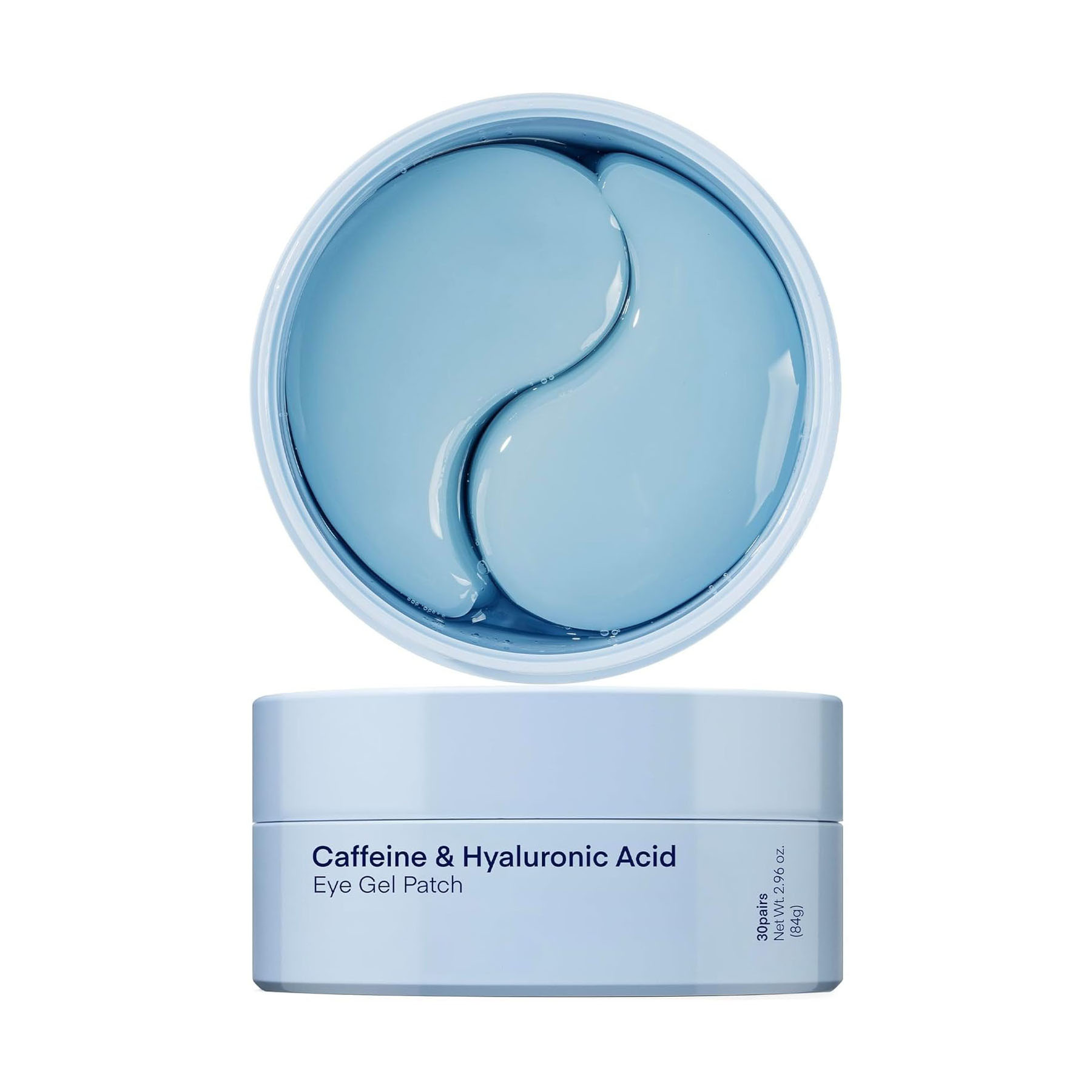
The Lanthome hydrogel eye patch catalog reference sits in the Eye Care category and identifies SKU 1601589642849. Its title mentions collagen, caffeine and niacinamide as product directions. The page lists OEM, ODM and private label services, while MOQ guidance says to contact the team. The written product details do not state a confirmed pack count or container specification.
Use that reference to start a packaging conversation. A jar, an individually packed pair or a multipack are options to ask about; their availability and suitability for this product remain unconfirmed. This guide explains how to compare those possibilities without turning a design preference into an assumed supplier specification.
Give every quantity a name
Start the packaging document with a short quantity dictionary. Send the same dictionary to purchasing, design, the supplier and the team building the online listing. An agreed term is useful only if everyone uses it consistently.
- Patch piece: One physical patch. Count individual pieces before grouping them into any larger unit.
- Pair: Two patch pieces grouped together for the quantity calculation. This arithmetic definition does not establish application directions.
- Inner pack: A package inside the retail presentation, if the agreed design uses one.
- Sales unit: The complete item a customer buys under one listing or retail identifier.
- Shipping case: The outer case containing an agreed number of sales units for delivery.
Avoid the word “unit” on its own. “Price per unit” could mean a patch, a pair, an inner pack or the entire customer purchase. Write the full noun beside every quantity and price, including totals in email subject lines and spreadsheet column names.
Ask the supplier to describe the proposed count structure in one sentence. Your team should be able to recreate the calculation from that sentence without looking at a photograph. If the wording leaves two possible interpretations, resolve it before requesting artwork dimensions.
Work through a hypothetical twenty-patch sales unit
Assume, only for this planning example, that the brand wants 20 patch pieces in one sales unit. At two pieces per pair, that equals ten pairs. It does not equal twenty pairs. These numbers illustrate a buyer calculation and are not the listed product's specification or an available order option.
Suppose the brand asks the supplier to assess two possible presentations. Proposal A would contain all twenty pieces in one shared container. Proposal B would group two pieces in each of ten inner packs, with those ten packs sold together. Both proposals would contain twenty pieces per sales unit if accepted exactly as described.
Now assume a purchase request for 300 sales units. The requested total would be 6,000 patch pieces, or 3,000 pairs. For a hypothetical shipping arrangement of twelve sales units per case, the order would occupy twenty-five full cases. The supplier would need to confirm whether any of these packaging and quantity assumptions are workable.
Keep the arithmetic visible on the request. If a revised proposal changes the inner pack count, recalculate the pieces per sales unit, total pieces and case count together. A lower quoted pack price means little until the quantity being priced is identical.
Ask what a shared-container proposal would involve
If a jar or another shared container interests the brand, request a proposal that identifies the container, closure and contents arrangement. Ask how the proposed pack would be filled, closed and presented to the customer. Do not choose materials from an attractive reference image and assume they are suitable for the selected product.
The central design question is how the customer would remove the intended contents and close the pack again. Ask whether an accessory is proposed, how it would be stored, and whether it would be included in the quoted sales unit. An accessory shown in a mockup should have its own entry in the component list.
Also ask the supplier what package compatibility and closure evaluations it considers appropriate for the proposed product. Request the scope and relevant documentation before treating the package as approved. A neat visual sample can help judge proportions and label placement; it does not establish how a filled pack will perform over time.
At the concept stage, compare container height, footprint and readable label area against the brand's retail needs. State which dimensions are preferences and which are actual channel constraints. Leave room for the supplier to explain what it can propose before the designer builds the final layout around an assumed jar size.
Explore individually packed options with equal precision
For an individually packed direction, first define what “individual” means. Does the brand intend one patch piece per inner pack, one pair, or another grouping? Write the proposed contents beside the inner pack drawing. Then state whether that inner pack would be sold separately or only within a larger sales unit.
Ask about the proposed opening point, seal area, usable print area and dimensions. Request a drawing that separates the artwork area from folds, seams or other features that should remain clear. Confirm the actual packaging construction with the supplier; a flat mockup does not establish the material or barrier properties of a production pack.
Think through how customers would identify loose inner packs after the outer carton is removed. Ask the responsible reviewers which approved information should appear on each packaging level. This is an information design decision to resolve for the project, rather than permission to copy every line of carton text onto a smaller surface.
If the brand wants a carton containing several inner packs, request a layout showing their arrangement. Check how the carton opens, whether the count is easy to understand and what the customer sees first. Keep optional trays, inserts and sleeves visible as separate proposal items.
Compare formats using the same purchasing question
A useful format comparison begins with a shared definition of the sales unit. Ask for each proposed package to contain the same agreed patch count, unless a different count is an intentional alternative. Mark intentional differences clearly instead of hiding them in separate design files.
Compare the information you need to decide: components included, proposed dimensions, opening interaction, artwork area, packaging evaluation requirements and the quotation basis. Ask the supplier to identify unresolved points beside each proposal. A blank answer should remain visible until it is supplied.
Keep price and presentation connected. A proposal with an outer carton and multiple inner packs has a different component list from a single container proposal. Request enough detail to understand that difference without assuming one will always cost more or ship more efficiently.
Choose the next concept for review by naming the reasons that matter to your channel. “Clear quantity communication and a compact shelf footprint” gives the packaging team more direction than “make it premium.” Record the tradeoffs you accept as well as the questions still open.
Build the label around a clear information hierarchy
Treat the label as a sequence of questions a customer needs answered. What is the product? What is included in this purchase? How does the approved product information explain its intended use? The designer can then allocate space to those answers before decorative elements fill the surface.
Make the count understandable at a glance
In the hypothetical twenty-piece example, the proposed count line might read “20 patches / 10 pairs.” That is a design example for review, not finished packaging copy. The responsible team should decide how the final quantity statement will be presented for the agreed product and market.
Check the count line beside the product name at actual print size. Ask a reviewer who has not attended the project meetings to explain what they think the package contains. If their answer is twenty pairs, the layout needs another pass even when the small print is mathematically correct.
Reserve space for confirmed product information
Create marked areas for the product identity, approved ingredient information, directions, relevant handling information and traceability details requested by the project reviewers. Ask those reviewers to supply or approve the content. This layout exercise is not a substitute for their review of the finished label.
The catalog's collagen, caffeine and niacinamide wording can identify the reference concept in the project file. It does not establish a complete formula, ingredient order, concentrations or finished-product effects. Keep placeholder text visibly labeled until the relevant product information has been confirmed.
Finally, link every artwork proof to a package drawing and product version. If a container changes, recheck the usable area instead of shrinking the old label automatically. A design that looked balanced on screen may become hard to read when fitted to the actual sample.
Review the opening experience as a physical sequence
Ask for an appropriate packaging sample once a proposal is sufficiently defined. Record whether it is an empty appearance mockup, a filled development sample or another sample type. Those distinctions determine which observations you can reasonably make from it.
Walk through the sequence from receiving the sales unit to accessing its contents. Can the reviewer identify the opening point? Does a sleeve hide the quantity statement? Is an included accessory easy to locate? If a pack is intended to be closed again, observe that action using the sample provided and ask how it will be assessed for the final package.
Photograph each packaging level separately, then photograph the full contents together. Include a ruler when documenting dimensions and label the images with the sample reference. The photographs should help another reviewer understand the actual arrangement, rather than simply show the most attractive angle.
Return specific observations: “The count is hidden until the sleeve is removed” is more actionable than “the unboxing feels confusing.” Ask the supplier or designer to propose a change, then confirm which other dimensions or components that change affects.
Make the quotation and shipping case describe the same product
Build one component list for the proposed sales unit and attach it to the quotation request. Name each package level, its proposed quantity and any accessory, insert or carton included. Mark optional items so they cannot silently enter one proposal and disappear from another.
Request a quotation that names its pricing unit explicitly. Confirm whether the quoted amount refers to the finished sales unit described in your list and ask how artwork setup, packaging components or other charges are presented. Avoid calculating an apparent saving from two totals with different contents or assumptions.
For the shipping arrangement, request the number of sales units per case, proposed case dimensions and the weight information needed for your logistics review. These details must come from the actual proposal. They cannot be inferred reliably from the product photograph or the hypothetical arithmetic above.
Agree on case identification that connects the shipment to the product and purchase documents. Your receiving team should be able to distinguish sales unit count from patch count without opening every retail pack. Carry any approved quantity revision into the purchase request, artwork, quotation and receiving checklist together.
Use the packaging sample to close defined questions
Before reviewing the sample, write down what that review can settle. An appearance sample may allow the team to assess label readability, dimensions and component arrangement. Other questions require a filled sample, a technical evaluation or information from the responsible supplier team.
Use a short review record that separates observation from decision. State the sample reference, what you examined, what you observed and the change requested. Give the quantity statement its own check: compare the product name, count on each packaging level, component list and quotation unit.
Choose a clear outcome for each issue. The artwork area may be accepted while the closure proposal remains under review. An approval limited to color should say exactly that. Avoid a single “approved” stamp that could be interpreted as acceptance of every product and packaging detail.
Before the next stage, ask for the relevant updated drawing or specification and reconcile it with the sample comments. Keep the agreed version available to the person preparing the product listing. That handoff prevents the online description from reviving an earlier count or showing a component removed from the final proposal.
Frequently asked questions about eye patch packaging
Does twenty patches mean twenty pairs?
No. In the quantity convention used here, one pair contains two patch pieces, so twenty pieces equal ten pairs. Always ask what the supplier's count describes and put the agreed definition in writing. The source page does not confirm a pack count for your proposed order.
Is a jar or individually packed format better?
The answer depends on the proposed product, customer purchase format and confirmed packaging options. Compare both using the same sales unit count, a complete component list and the review questions relevant to your channel. Ask the supplier which options it can actually propose for this reference before selecting a direction.
Can the catalog image be used as the packaging specification?
Use the image to identify the reference and discuss visual preferences. Ask for the dimensions, materials, contents arrangement and other specifications needed for the actual proposal. A photograph cannot confirm hidden components, the quantity supplied or whether the pictured presentation is available for your project. For this reference, the image label and page title use different ingredient wording. Ask which sample and specification the supplier is quoting, and confirm the pack count separately.
When should the designer finalize the carton?
Finalize the layout after the proposed dimensions, packaging arrangement and approved content are sufficiently settled for review. Keep early work clearly marked as a concept. If the quantity or package structure changes, check the carton text and online listing together before those files move to the next stage.
Send one packaging request with one quantity definition
A focused inquiry should identify the catalog SKU, desired sales unit count, packaging directions to explore and the sales channel. Attach the quantity dictionary and a simple sketch of each proposed arrangement. State which details are requests and invite the supplier to identify available options and missing information.
Use the project inquiry page to begin that discussion. Clear packaging language makes each reply easier to compare and gives your designer, purchasing team and receiving team a shared description of the product you intend to buy.
Related Links
- Hydrogel Eye Patch Catalog Reference - Review the Eye Care product reference for a packaging inquiry.
- Pink Spicule Eye & Face Serum - Explore another product direction in the Eye Care category.
- Product Catalog - Browse skincare categories and product references.
- OEM and ODM Development - Review the site's development pathway.
- About Lanthome - Read the company introduction.
- Start a Project Inquiry - Share your proposed product and packaging requirements.
- Buyer Insights - Find more articles for skincare buyers and brand teams.