
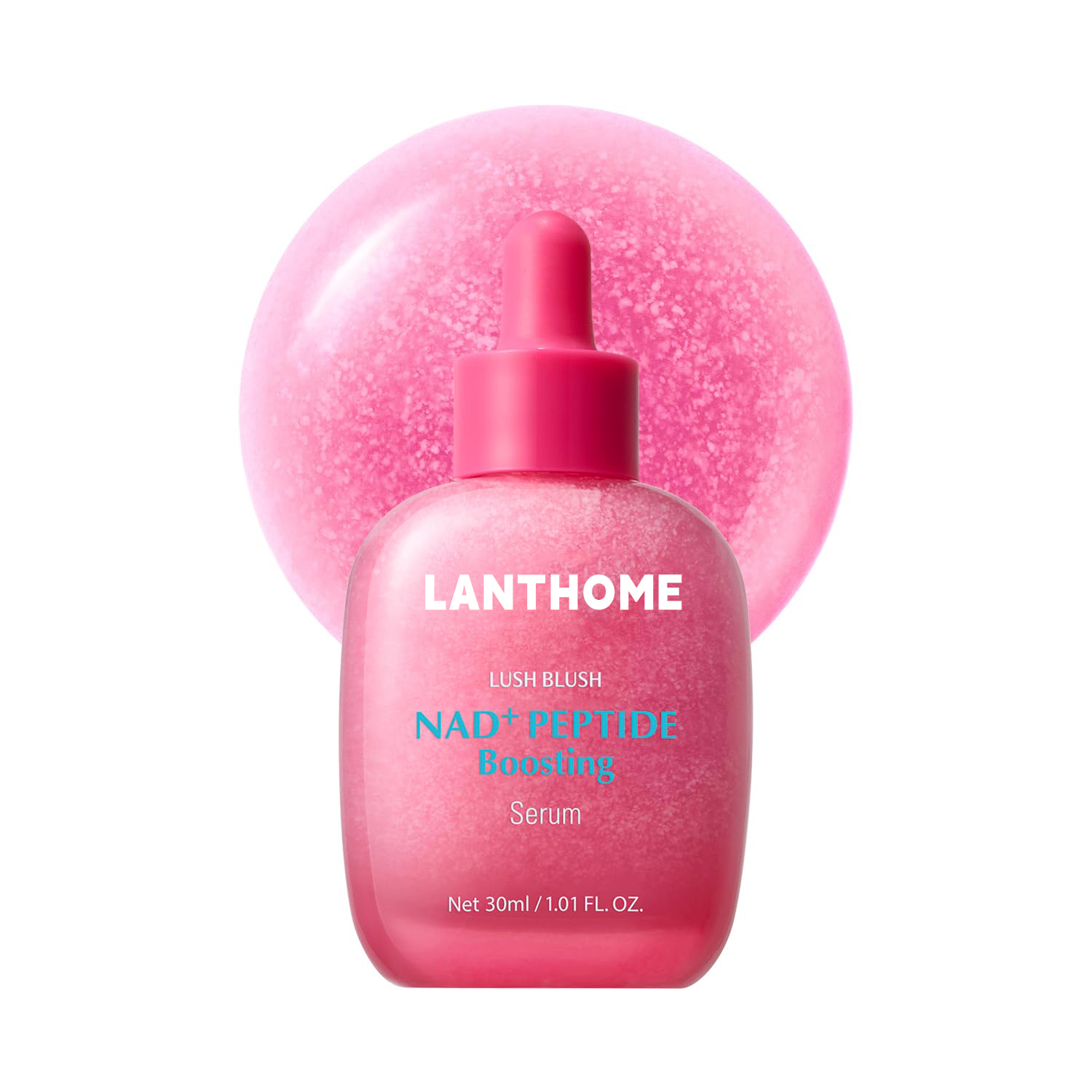
A private label ceramide serum sales training guide should help distributors, account managers and retail support teams explain a product accurately without stretching a development concept into an unsupported promise. The most useful program begins with the exact product reference, identifies what has been confirmed for the final offer, and gives every team member a clear route for questions that remain open.
This guide uses the Lanthome rice and ceramide serum catalog reference as a practical example. The live page places the item in the Serum category, identifies model 1601631040357, and offers OEM, ODM and private label service. Its title provides a rice and ceramide direction. The page also tells buyers to confirm the approved sample, packaging specifications, artwork, test documentation and target-market wording before production.
Those details are enough to start a sourcing and training brief, but they do not establish the final formula, ingredient list, application instructions, capacity or retail claims for another brand. The visible specification does not state a filled capacity or numerical minimum order quantity. Treat the source image as a catalog reference rather than an approved presentation for your finished product. The aim of training is to make these boundaries easy to understand and easy to apply in real conversations.
Define what the training must accomplish
Begin by naming the decisions the team should be able to make after training. A distributor representative may need to identify the product, describe its format, collect a qualified inquiry and locate current documents. A retailer-facing trainer may need to distinguish approved consumer language from internal development notes. A customer-service colleague may need to recognize when a question requires escalation.
Write these outcomes as observable tasks. “Understand the serum” is too broad. “Use the approved product name, locate the current ingredient information and route an unapproved claim question to the product owner” is specific enough to teach and assess. It also prevents a polished presentation from being mistaken for a complete readiness review.
Keep commercial goals separate from product evidence. The training may support better selling, but it should not encourage representatives to invent a benefit, test result or delivery commitment to close an order. Reliable sales enablement gives the team strong, accurate answers and a professional way to handle uncertainty.
Create one approved product fact sheet
Build the course around a controlled fact sheet for the exact version being offered. Give the sheet a product name, internal reference, version date and owner. Link it to the approved formula information, packaging specification, artwork and market-facing copy. If any of those items are pending, show that status clearly.
Separate catalog facts from project decisions
The Lanthome page confirms a Serum category, model 1601631040357 and an OEM, ODM and private label service direction. It does not confirm the final configuration for a specific customer. Place source-page facts in one section and project-specific decisions in another. This keeps a representative from describing an available discussion point as a feature already included in every order.
Use the product model internally even if the finished retail name changes. The model helps purchasing and development teams identify the originating reference. The consumer-facing name should come from the approved brand materials and should be consistent across packaging, product pages, line sheets and training slides.
Add a source beside each factual statement. A short internal citation such as “approved artwork version 3” or “final product record dated September 18” lets trainers verify the wording. It also makes updates faster because the owner can see which statements depend on a changed source.
Teach the product format before the marketing story
Representatives should first be able to say what kind of item they are discussing. In this case, the source category is Serum. Ask the project team to confirm the finished format and the exact way it should be named. Do not infer texture, absorption, finish or compatibility from a category label or a picture.
Build a short identification exercise. Show the approved product name, package image, reference code and the intended place in the assortment. Then include one or two nearby products and ask trainees to explain the difference using only approved facts. This is especially helpful when a collection contains several serums with overlapping positioning words.
Avoid turning the exercise into a formula comparison unless the required information is available and reviewed. A title may mention rice and ceramide, but it is not a complete ingredient declaration. A representative should know where to find current ingredient information rather than attempting to reconstruct it from a catalog title.
Convert positioning into a controlled message map
A message map gives the team a small set of statements that can be used consistently. Start with the audience, the product format and the role the item is intended to play in the brand's assortment. Then add only the benefit language and supporting detail that the responsible reviewers have approved for the finished offer.
Use three levels of language
The first level contains public statements approved for normal sales materials. The second contains internal explanations that help a representative understand why the language was chosen. The third contains unresolved or restricted topics that must be routed to an owner. Label the levels visibly so a speaker does not copy an internal note into a customer presentation.
Keep cosmetic language measured. Terms such as moisture support, barrier-support positioning, daily care and comfortable skin feel may be appropriate directions for review, but the final wording still requires confirmation for the exact product and market. Do not convert ingredient interest into medical language or guaranteed outcomes.
Include a short “do not improvise” list. Examples can cover clinical percentages, certification claims, treatment language, results timelines, shelf life, test outcomes and regulatory status when those points are not present in the approved materials. The list should explain the correct next step: acknowledge the question, record it accurately and send it to the named product or compliance owner.
Explain ingredient questions without guessing
Sales teams will often receive ingredient questions because buyers use them to compare concepts. Prepare a simple response process. First, identify which product version is being discussed. Second, consult the approved ingredient information for that version. Third, use only the approved explanation or forward the question for review.
The words rice and ceramide in the source title are useful for identifying the development direction. They do not disclose a complete formula, concentration or ingredient source. The training should state this distinction directly. It is better for a representative to say that the project team will confirm the relevant formula information than to supply a confident detail that has not been verified.
Provide a standard intake note for detailed buyer questions. Capture the requested statement, intended market, planned channel and where the wording would appear. A question for a distributor line sheet may need a different review from a request for primary package copy. Good intake information helps the owner respond precisely.
Train with the exact packaging configuration
Packaging is part of the product a customer buys and part of the story a distributor presents. Use images or samples of the approved configuration in training. If the finished bottle, closure, carton or decoration differs from the catalog image, do not continue using the catalog image as though it represents the shipped item.
Create a packaging reference page with the confirmed component, fill statement, decoration method and included items. Add clear photographs from the approved artwork or production reference when available. If a field is still being decided, mark it pending and remove it from external selling materials until confirmed.
The visible Lanthome page does not provide a filled capacity in its specification fields. That absence is a useful teaching example. A representative should ask the project owner for the confirmed value rather than reading a number from an image or assuming that a familiar bottle always contains the same amount.
Show trainees how to identify a version. The package name, artwork revision and product reference should connect to one controlled record. When artwork or components change, update the training image and archive the old page. This prevents mixed presentations after a relaunch or reorder.
Prepare answers for common buyer questions
Create a question bank from actual sales and sourcing conversations. Organize it by product identification, formula information, packaging, customization, order planning and documentation. Give each answer an owner and a source. A useful answer may provide a confirmed fact, ask for project context or explain the next step.
Keep custom development answers conditional
The source page offers OEM, ODM and private label service. Representatives can use that fact to invite a project discussion. They should not promise that every requested formula, package, order size or schedule is available. Train the team to collect the target market, quantity range, packaging direction and launch timing, then request project-specific confirmation.
For minimum order quantity, lead time and pricing, use the current quotation or approved commercial guidance for the exact project. The source page does not state a numerical minimum. Do not create a standard number to make the conversation faster. A qualified answer is more useful than an unsupported commitment that later needs correction.
For testing and documentation questions, identify the records that are actually available for the offered version and the reviewer who can explain them. Avoid general statements such as “fully tested” unless their meaning, scope and evidence have been approved. The team should be able to distinguish a request for information from confirmation that a requirement has been met.
Build a short demonstration that stays within evidence
If the training includes a physical product demonstration, base it on the approved instructions. Confirm the application method, amount and sequence before teaching them. Do not invent usage directions from a marketing phrase or from the appearance of a dropper.
Use the demonstration to identify the package, show the approved dispensing action and reinforce the message map. It should not simulate a clinical test or promise an outcome. If the final instructions are not available, postpone the use demonstration and focus on product identification, project intake and documentation access.
Record the sample code used during training. A development sample may not represent the final formula or package. Make that status visible so the team does not treat an early sample observation as a permanent public product fact.
Give distributors a practical conversation structure
A simple conversation structure reduces improvisation. Begin by asking about the buyer's market, customer segment, channel and desired serum positioning. Then introduce the relevant product reference and state what has been confirmed. Finally, record the customization, documentation and commercial questions that need a project response.
Teach representatives to summarize the next action at the end of the conversation. They might send the approved fact sheet, request a packaging preference, or arrange a review of the buyer's target wording. Do not promise an answer date unless the responsible team has supplied one.
Include a handover template with the source product, target market, quantity range, packaging direction, desired launch timing and open questions. The site's product inquiry page provides a natural route for a focused project brief. A complete handover helps the technical and commercial teams respond without reconstructing the call.
Assess whether the team can use the training
Test application rather than memorization. Give trainees a short scenario involving an approved fact, an unresolved capacity question, a strong claim request and a customization inquiry. Ask them to choose the correct response and source. The assessment should reward accurate routing as well as accurate product knowledge.
Use role-play for distributor conversations. One person acts as a buyer seeking precise information; the other uses the message map and intake form. Review whether the representative identified the product, stayed within approved language, captured missing context and set a clear next action.
Document errors found during practice. If several people make the same mistake, revise the training material or source record rather than relying on repeated reminders. A recurring error may indicate that two versions look similar, an owner is unclear or an approved statement is difficult to locate.
Set a minimum completion requirement appropriate to the team. Completion should mean the representative can find and apply current information. It should not be presented as a product certification, regulatory qualification or proof of performance.
Maintain the training after launch
Assign an owner and review date to every module. Changes to the formula record, package, artwork, claims, quotation or service policy may affect the course. Connect training updates to the same change process used for the underlying product documents.
Keep one current version available to the team and archive superseded files. Add a brief revision note so users understand what changed. If the finished product no longer matches an image or statement, remove the old material from shared sales folders rather than expecting everyone to remember that it is obsolete.
Collect questions from distributor calls and customer support. Review them for patterns, then ask the appropriate owner to approve a new answer or improve the underlying product material. The goal is a reliable information system, not an ever-growing list of improvised replies.
Before the next training session, verify the live product reference, current project documents and contact owners. For a new ceramide serum project, begin with the Lanthome catalog page and a short list of information your team needs confirmed. Clear boundaries, traceable sources and practical escalation routes allow representatives to sell with confidence while keeping every statement connected to the product actually being offered.
Related Links
- Lanthome rice and ceramide serum reference- Review the source product and identify the details that require project-specific confirmation.
- Product catalogue- Explore the site's skincare development references.
- OEM and ODM development- Read the site's development information.
- About Lanthome- Learn about the company behind the site.
- Product inquiry- Share your market, packaging direction and product questions.
- Buyer journal- Browse additional sourcing and brand-development guides.
- Private label jelly cream customer FAQ guide- Organize approved answers and escalation routes for customer-facing teams.