A private label jelly cream customer FAQ should give your support team a dependable way to answer ordinary product questions. It should also make clear when a question needs information that the team does not yet have. The best starting point is a record of approved product facts, followed by the questions customers are likely to ask about the exact item your brand intends to offer.
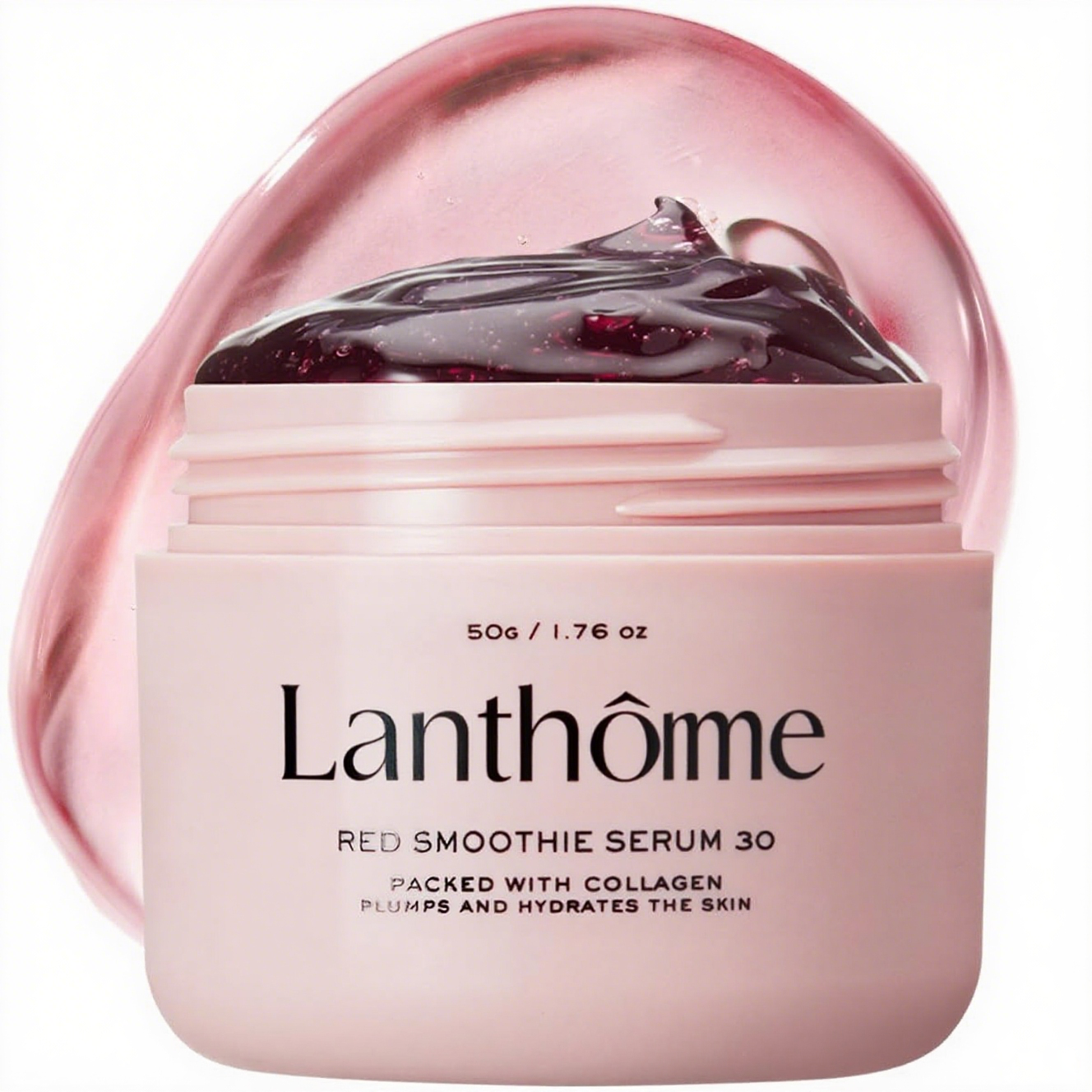
This guide uses the Lanthome jelly cream catalog reference to explain that preparation process. The page lists model 1601579585571 and OEM, ODM and private label service. Its title uses jelly cream and serum language, while the site places the item in Serum. The main image shows a pink open jar with dark gel-like contents and existing printed wording.
These observations identify a development reference. They do not establish the final name, formula, directions or claims for another brand. The specification fields do not provide a filled capacity or a numerical minimum order quantity. Before building answers for consumers, confirm the exact product information through the project team. This article is a guide to organizing an FAQ, not a set of ready-to-publish product directions.
Separate customer support from supplier inquiries
First decide who will use the FAQ and who will read its answers. A consumer may ask what is included in a purchase, while a brand owner may ask about customization or sample availability. Those are different conversations. Keep supplier sourcing questions in the project record and write consumer answers only from the information approved for the finished offer.
For example, a supplier's willingness to discuss packaging does not tell a consumer which packaging will arrive with an order. The support team needs the confirmed retail configuration. Similarly, a development discussion about formula options should not appear in an answer about the product currently being sold unless the distinction is relevant and clearly explained.
Set a practical scope for the first version. Include the questions needed for product identification, packaging, directions, information access and ordinary service routing. Leave room to add recurring questions after launch. A focused FAQ with reliable answers is easier to maintain than a long document that tries to anticipate every possible conversation using assumptions.
Build an answer source record before writing copy
Collect the documents that describe the approved product version. These may include the final product information, approved label text, packaging details and the brand's existing service policies. Identify who owns each source and which version applies. Do not treat a catalog image, an early sample label and a finished product record as interchangeable evidence.
Record the basis of each answer
For every planned question, note the source that can support the response. If the source does not yet answer it, mark the question as unresolved. This makes the missing information visible before a customer asks and gives the project team a specific request to address. It also prevents a writer from filling an empty section with plausible but unconfirmed wording.
Keep the source record separate from the short answer that customers see. An agent may need a document reference and an internal contact, while the customer needs a clear response in ordinary language. Connecting the two allows the public answer to remain concise without losing the traceability that makes it dependable.
Confirm the name customers will recognize
Use one approved display name consistently across the product page, packaging and FAQ. If a working title contains several category terms, resolve how the finished offer will be described before writing answers. A support agent should not have to decide whether two different names refer to the same item while trying to help a customer.
The linked reference illustrates why this matters: its catalog title and category use more than one product-format term. That is a reason to clarify the intended description with the project team, not a reason to invent a technical distinction. Keep the catalog model in the internal record so colleagues can identify the source even if the retail name changes.
Add a short identification question to the internal support guide. Specify which product reference or visible package details help distinguish the current version from related items. Avoid asking customers for unnecessary information. The aim is to establish which product they mean before providing an answer that might belong to a different formula, package or release.
Explain the contents of the offer plainly
Prepare an answer about what the customer receives using the confirmed retail configuration. Establish whether the offer includes a single container, an outer carton or any accessory. Do not determine those details from the number of objects in a styled image. A photography prop can look like part of a purchase even when it was never intended to be supplied.
Keep quantity and capacity distinct
The number of containers in an offer is a different question from the confirmed contents of each container. Use the approved values and their units when those facts are available. For the source reference in this guide, numbers printed in the picture should not be copied into a new brand's answer without confirmation of the relevant finished product.
Review the answer alongside the product images and order description. If the wording says one item but the main image suggests a bundle, an FAQ alone may not resolve the confusion. Flag the inconsistency to the owner of the product page. Support preparation can reveal a presentation problem that is better corrected where the customer first encounters it.
Describe appearance without promising performance
Customers may ask about color, texture or the difference between a promotional picture and an item in hand. Prepare the support team to distinguish an observable description from an explanation that requires product-specific evidence. A photograph of a jelly-like texture does not establish how the product performs or whether a particular variation is acceptable.
Ask the product team which appearance descriptions are appropriate and what information agents should collect when a customer reports a difference. Do not invent an acceptable color range, a texture tolerance or an explanation for a change. Those decisions require the relevant product knowledge rather than an agent's interpretation of a catalog image.
Use neutral wording in the question library. A prompt such as “What should I check if the item looks different from the picture?” is easier to route than an answer that automatically declares every difference normal. The internal response can identify the product, request the necessary context and direct the issue to the responsible reviewer without reaching an unsupported conclusion.
Base direction-related answers on approved instructions
If customers ask how to use the product, the answer should follow the instructions approved for the exact item. Do not create an application amount, frequency, sequence or overnight-use recommendation from a product title. A development keyword or a photograph of a large scoop is not a substitute for confirmed directions.
Keep the support answer aligned with the current packaging and product page. If those sources disagree, ask the product owner to resolve the discrepancy before distributing a standard response. An agent should not have to choose between conflicting instructions or blend them into a third version that nobody has reviewed.
Identify questions that go beyond the approved instructions and need specialist handling. The FAQ should tell agents where to route those questions, especially when they involve an individual's health circumstances or a reported reaction. This guide does not provide personal-use or medical advice. Its purpose is to keep a general customer-service answer within the information the brand can actually support.
Handle ingredient and positioning questions carefully
Prepare a reliable route to the ingredient information approved for the finished product. Catalog titles often contain selected ingredient names or positioning phrases, but those fragments do not constitute a complete ingredient list. Agents should know where the current information is located and how to check that it matches the product version under discussion.
Avoid turning keywords into assurances
Words concerning origin, ingredient percentages or particular product attributes need an appropriate basis before they appear in a customer answer. Do not repeat them simply because they are prominent in an image or supplier listing. For the jelly cream reference, the long title is useful for locating the item; it is not a blanket authorization to reproduce every phrase as a consumer-facing assurance.
If the team cannot substantiate a requested statement, record the question for the product owner and use the approved holding response. Do not improvise a stronger claim to make the answer sound more helpful. A precise explanation of what information is available is more dependable than a confident answer that extends beyond it.
Keep storage and handling answers product-specific
Customers may ask where to keep the product, how to close it or what to do after an unusual delivery experience. Build those answers from the applicable instructions and the brand's established support process. Avoid assuming that every jar-format product shares the same storage conditions or handling recommendations.
Do not invent a temperature range, shelf-life period or period after opening to complete the FAQ. Ask the project owner which information applies and how it should be communicated. Where customers need help locating a marking on the package, provide a clear description based on the actual approved packaging rather than on a different product's layout.
For an unexplained condition or a potentially compromised package, give the agent a route to the appropriate reviewer. Keep the question, product identification and relevant observations together. The support guide should help the team obtain a reliable decision, not turn a general article into a technical inspection procedure or declare an item acceptable without a basis.
Separate product facts from service policy
An answer about the item itself is different from an answer about delivery, exchanges or order changes. Use the brand's current authorized service policies for those topics. Do not allow a product writer to invent a return window, replacement commitment or shipping promise merely because the FAQ has a convenient space for it.
Keep the responsible contacts clear. A product specialist may resolve a formulation-information question, while the order team handles a missing parcel or an address issue. Explain the routing in the internal guide so customers are not moved repeatedly between teams without ownership of their request.
If a service issue depends on product identification, connect the two records while preserving their separate decisions. For example, understanding which item was received can support an order investigation without establishing the cause of a reported product concern. Agents should communicate the confirmed next step rather than implying that opening a case guarantees a particular commercial outcome.
Write short answers and useful internal notes
Begin each customer-facing answer with the information that addresses the question directly. Add the detail needed to make it understandable, then provide a next step if required. Avoid placing a long brand introduction before a simple packaging explanation. Customers should be able to find the answer without reading unrelated promotional copy.
Keep internal notes visibly separate. They can contain source references, the responsible owner and situations that require escalation. Those notes support the agent's judgment but should not be pasted wholesale into a reply. A practical answer library makes the distinction between ready-to-use wording and internal guidance obvious.
Review tone as well as accuracy. Prefer concrete language over vague reassurances such as “perfect for everyone” or “nothing to worry about.” The right answer may explain a confirmed fact, ask a focused question or state that a specialist will review the issue. It does not need to promise an outcome to sound professional and helpful.
Test the FAQ with realistic support scenarios
Ask a colleague who did not write the document to use it on a small set of hypothetical questions. Include straightforward identification, a package-contents question, an unresolved ingredient request and a situation that requires escalation. The exercise should reveal whether the guide makes the next step clear without requiring the reader to guess.
Look for gaps between similar questions
Two customers may use different words to describe the same concern. Add useful search terms or cross-references so agents can locate the relevant answer without creating several conflicting copies. At the same time, do not combine questions that depend on different product versions or require different owners merely because the wording sounds similar.
Record the changes made after the exercise. Check that edits to an answer remain supported by its source and that the escalation route still reaches the correct team. The purpose is to improve the usefulness of the library before it is relied on in live conversations, not to simulate evidence of product performance or customer satisfaction.
Maintain one current library as the product evolves
Assign an owner, a revision date and a review trigger to the FAQ. Changes to the formula record, packaging, approved wording or service policy can affect previously correct answers. Connect the library to those changes so the support team does not continue using text that describes an earlier version of the offer.
Use recurring customer questions to improve the document after launch. Group similar questions, investigate the underlying information gap and ask the responsible owner for an approved answer. Where the same confusion starts on a product page or package, consider updating that source as well. An FAQ can help explain an offer, but it should not become a permanent patch for contradictory information.
To prepare with Lanthome, begin with the jelly cream reference and a focused list of facts your support team needs confirmed. Ask about the intended product description, final packaging information, approved instructions and the appropriate contact for unresolved questions. Once those foundations are available, the FAQ can give customers clearer answers while helping your team recognize the limits of each response.
Related Links
- Lanthome jelly cream reference- Identify the source product before requesting confirmed information.
- Product catalogue- Explore the site's skincare development references.
- OEM and ODM development- Read the site's development information.
- About Lanthome- Learn about the company behind the site.
- Product inquiry- Share your reference and product-information questions.
- Buyer journal- Browse additional sourcing and brand development guides.
- Serum reorder change control guide- Keep related product records aligned when a version changes.