A private label ceramide cream claims review should happen before product-page copy, packaging, distributor materials and advertisements move into final production. The purpose is practical: connect every proposed statement to the exact product version, identify the evidence or approval it needs, and remove language that extends beyond the information available for the project.
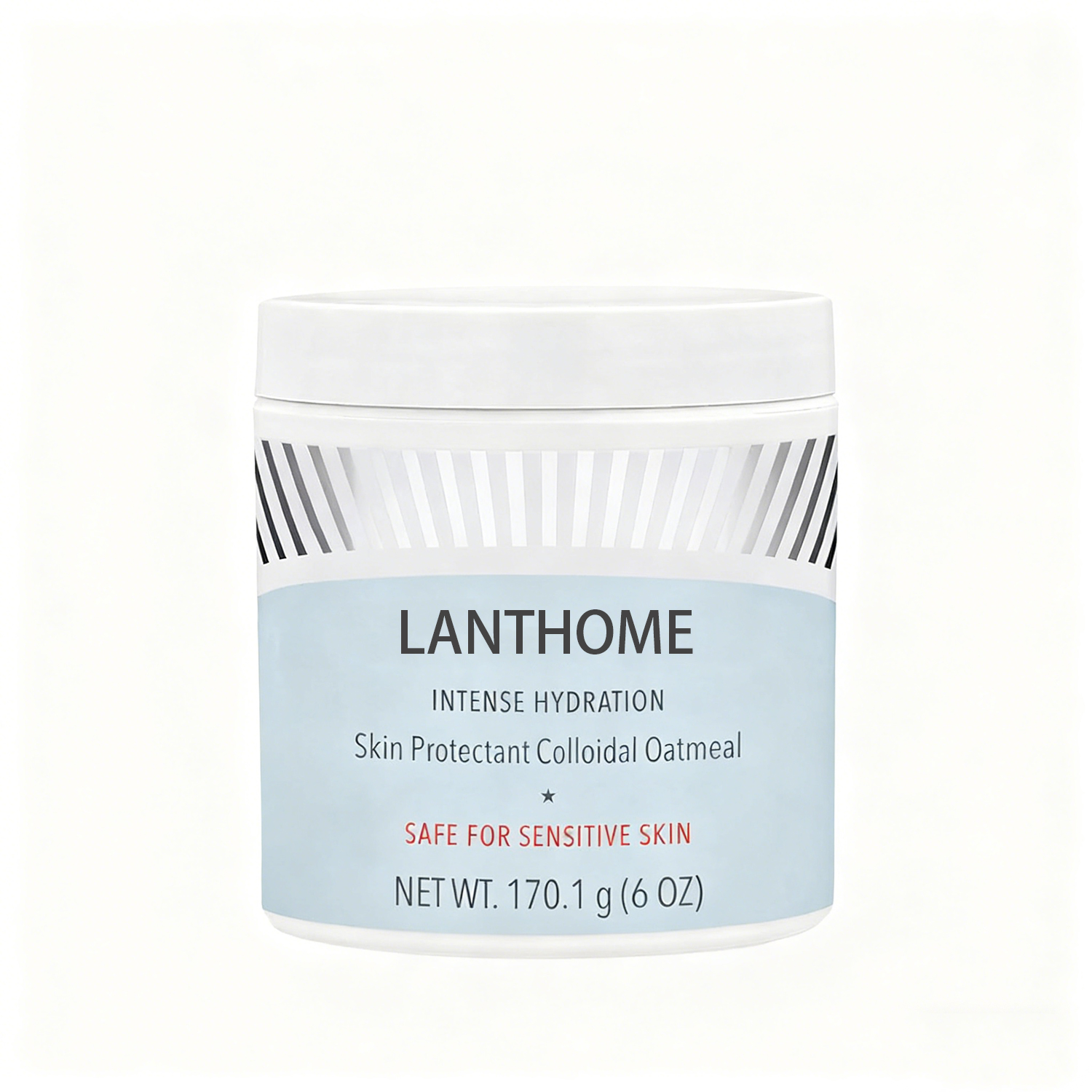
This checklist uses the Lanthome ceramide and hyaluronic acid cream catalog reference as a working example. The live page identifies model 1601648774495, places the item in Foot Care, and offers OEM, ODM and private label service. Its title provides a ceramide and hyaluronic acid direction. The page also tells buyers to confirm the approved sample, packaging specifications, artwork, test documentation and target-market wording before production.
These details support an initial product discussion. They do not establish a complete formula, ingredient concentration, finished capacity, test result or retail claim for a customer's final product. The visible specification does not state a numerical minimum order quantity or a filled capacity. This article explains how a brand team can turn that limited but useful starting point into a controlled claims review without inventing missing facts.
Define the exact product version under review
Start the checklist with a clear product identifier. Record the supplier reference, sample code, proposed formula reference, package configuration and artwork revision. If any item is pending, mark it pending. Reviewers should not approve copy for a vague product family when the statement will appear on one specific commercial item.
The linked Lanthome page lists model 1601648774495 and the Foot Care category. Keep that source record in the project file even if the final brand name is different. It provides traceability to the catalog reference, while the approved project documents define what will actually be sold.
Confirm whether the sample and proposed order use the same product version. A revised formula, different package size or new application area may change the information needed for review. Do not carry language from an earlier sample forward solely because the working product name remains similar.
Assign one owner to maintain the version record. That person does not need to approve every statement, but should be able to show which product, package and artwork each review covers. A stable reference prevents marketing, sourcing and design teams from working against different assumptions.
Build a claims inventory across every channel
Collect all proposed wording before judging individual sentences. Include front and back package copy, product-page headings, image text, marketplace bullets, sales decks, distributor line sheets, email content, social captions and paid advertisements. Claims often become stronger as they are shortened for a banner or image.
Capture implied meaning as well as exact words
Do not limit the inventory to obvious benefit phrases. Product names, icons, comparison layouts, ingredient callouts, usage imagery and surrounding headlines can create an impression even when no single sentence looks like a claim. Record the full context in which a statement appears.
Give each item a unique reference and note its intended market, channel and location. The same wording may require a different presentation or review when moved from an internal buyer deck to primary packaging. A complete inventory also prevents one approved sentence from being copied into an unrelated context.
Group duplicate statements without deleting their placements. Review the common core once, then check whether each use remains accurate and understandable. A small spreadsheet or controlled table is often sufficient if it shows wording, source, owner, status and destination.
Separate product identity from benefit language
Some words identify the product direction; others imply what the finished item will do. The source title mentions ceramide and hyaluronic acid, while the category identifies Foot Care. Those details can guide questions for the project team. They do not by themselves confirm a complete ingredient list or authorize every associated benefit statement.
Ask whether each ingredient name appears in the approved information for the exact formula. Then ask whether the proposed statement simply identifies the ingredient or links it to a product outcome. The second type needs its own support and review. Avoid assuming that general knowledge about an ingredient proves a claim for a particular finished product.
Keep the product format clear. If the final offer is intended for foot care, use wording and images consistent with that approved use. Do not move it into face-care copy because the texture or package looks familiar. The site's classification provides a strong reason to confirm the intended application before creating customer-facing material.
If a working title uses several benefit terms, treat them as prompts for verification. The fact that words appear in a catalog title does not make them automatic retail claims for a new brand. Resolve the approved display name separately from the internal sourcing description.
Classify each statement by review need
Create simple review categories that help the team route work. One category can cover basic identity statements such as product format or approved ingredient names. Another can cover sensory or cosmetic-positioning language. Additional categories may cover quantified statements, comparisons, testing references, certifications, environmental claims and directions.
Flag high-risk wording early
Mark disease, treatment, healing, permanent-change or guaranteed-result language for immediate specialist review. This article does not determine market-specific legality. It provides a workflow that keeps strong wording from reaching artwork before the right reviewer has considered it.
Also flag numbers. Ingredient percentages, timing statements, measured improvements, test-subject counts and ranking claims require clear sources and defined context. Do not add a precise figure to make general copy sound more credible. If the project record does not support it, remove it or hold it for evidence review.
Create a separate tag for commercial details such as minimum order quantity, lead time and price. These are not cosmetic performance claims, but they still need a current project-specific source. The reference page does not publish a numerical minimum, so a sales document should use the applicable quotation rather than inventing a universal threshold.
Match every claim to a source
For each proposed statement, record the document or decision that supports it. The source may be approved formula information, final artwork, a packaging specification, a reviewed test record or a written project decision. A link to a general catalog page is not enough for details that the page does not state.
Write the source precisely. “Supplier information” is difficult to audit. “Approved product record, version 2, dated September 20” gives the reviewer something identifiable to check. If the source is an email decision, transfer the relevant outcome into the controlled project record so it remains accessible after staff changes.
Distinguish evidence received from evidence reviewed. A file in a folder does not prove that the proposed wording matches its scope. Record who reviewed the connection, what limitations apply and when another review is needed.
If no source can be identified, set the claim status to unsupported. Do not use “pending” as a permanent holding area while artwork continues toward production. Either obtain the required basis, revise the wording to a supported statement, or remove it.
Review ingredient callouts carefully
Ingredient callouts are common in skincare marketing because they help buyers recognize a product direction. They also create frequent errors when a catalog title, draft formula and finished ingredient declaration are treated as interchangeable.
Confirm the exact ingredient name used in the approved product information. Check the spelling, naming convention and relationship to the finished version. Do not state an ingredient percentage, source or special grade unless the project record supports that detail and the responsible reviewer approves its use.
Consider the visual hierarchy. A large ingredient name beside a strong benefit headline may imply more than a small factual callout. Review the complete panel or image, not only the ingredient line in isolation. Ask what an ordinary buyer is likely to understand from the combined presentation.
For the source product in this guide, ceramide and hyaluronic acid are visible in the catalog title. Use those words to request the applicable formula information. Do not turn them into a complete ingredient description or a guarantee about product performance without further confirmation.
Keep cosmetic benefits measured and specific
Use cosmetic-care language that describes the intended positioning without implying medical treatment. Moisture support, comfort, daily care and barrier-support positioning may be useful directions for discussion. The exact phrase still needs to be approved for the final formula, application area and target market.
Avoid absolute language such as “repairs all damage,” “works instantly for everyone” or “permanent.” A more measured sentence is not automatically acceptable, but it is easier to evaluate against product information and less likely to promise an outcome beyond the available basis.
Define ambiguous terms. “Intense,” “deep” and “advanced” can appear attractive in a draft, yet reviewers need to know what the brand intends them to communicate. If the team cannot explain the meaning and basis, remove the term or replace it with clearer product information.
Check whether the wording describes the product or the consumer. Broad statements about suitability for every skin condition or every person require care. Keep the review focused on the product information the brand can support and provide an appropriate route for individual questions.
Verify packaging facts independently
Claims review should include factual package information. Confirm the filled quantity, unit, component type, items included in the offer and any usage-related package feature. Do not infer capacity from a photograph or from a similar container used by another product.
The source page leaves capacity blank in the visible specification area. Record that as an open project question. Obtain the value for the exact planned configuration before it is placed on artwork, a listing or a distributor sheet.
Review words such as refillable, recyclable, airless or travel-ready only when the selected component and intended statement have a documented basis. A visual resemblance is insufficient. Ask the packaging owner for the relevant specification and note any conditions that need to accompany the statement.
Keep packaging claims linked to the approved component reference. If the jar, closure, decoration or carton changes, trigger another check. A statement supported for one component may not remain accurate after a sourcing change.
Align directions and application imagery
Confirm the approved directions for the finished product before creating how-to copy. Application amount, frequency, sequence and intended area should come from the project record. A marketer should not invent instructions from a product title or styled image.
Review photographs and videos alongside written directions. An image showing use on a different body area can conflict with otherwise accurate copy. For a product classified as Foot Care, the team should verify the intended use before selecting lifestyle imagery or cross-selling it in a broader cream collection.
Make sure short-form instructions do not omit a condition that changes their meaning. If the approved information cannot be reduced safely to a small label, move supporting guidance to an appropriate channel and have the final presentation reviewed as a whole.
Route questions about individual conditions or reactions to the brand's established support process. Claims review does not create personal medical advice. Its role is to keep general instructions connected to the product documentation.
Check testing and certification references
Treat words such as tested, clinically proven, dermatologist approved, certified, organic, vegan or hypoallergenic as specific review items. Do not use them because they are common in the category or appear on unrelated products. Record the exact statement, supporting record, scope and responsible reviewer.
Ask whether the evidence covers the finished product, an ingredient, a component or a different version. Then check whether the proposed wording accurately communicates that scope. Evidence about one material should not automatically become a claim about the full commercial product.
Do not create a seal or badge before the underlying statement has been approved. Graphic treatment can make a limited fact appear like an official certification. Review icons, borders and placement along with the wording.
If documentation is still being requested, keep the statement out of final artwork and public copy. A production deadline does not turn missing evidence into approval.
Run a cross-channel consistency check
After individual statements are reviewed, compare every customer-facing channel. The product name, application area, ingredient callouts, quantity and benefit language should describe the same approved offer. Resolve differences instead of choosing whichever version sounds stronger.
Check distributor materials as carefully as direct-to-consumer pages. Partners may copy line-sheet text into their own listings. Give them a controlled set of current assets and clearly retire superseded files.
Review translations against the approved source meaning. A fluent translation can still strengthen or change a claim. Keep translated versions linked to the source text and include them in the approval record for the intended market.
Use the Lanthome inquiry page to send a focused brief when project details need confirmation. Include the source model, target market, proposed wording, package direction and the exact questions that block approval.
Record decisions and release approved copy
Give every inventory item a final status: approved as written, approved with specified context, revised, rejected or pending. Record the decision date and owner. Avoid vague notes such as “looks fine” that do not identify the text or version reviewed.
Prepare one released copy set for designers, ecommerce staff and distributors. Lock the wording to the relevant artwork or content version. If a later edit changes meaning, send it back through review rather than treating it as a minor design correction.
Archive rejected and superseded wording with a short reason. This prevents an older phrase from reappearing during a campaign refresh. The record also helps future teams understand why measured language was selected.
Before launch, confirm that the live page, final package and sales materials match the released set. After launch, monitor recurring customer and distributor questions. A repeated misunderstanding may show that technically accurate wording still needs clearer presentation.
Use the checklist as a launch gate
A practical launch gate asks five questions. Is the exact product version identified? Does every claim have a traceable source? Are package facts and directions confirmed? Has the wording been reviewed for its market and channel? Do the live assets match the approved versions?
If any answer is no, identify the owner and next action. Do not allow a strong-looking package or an attractive product image to hide an unresolved claim. The purpose of the gate is to make incomplete work visible while there is still time to correct it.
For a ceramide cream project, begin with the catalog reference, model 1601648774495 and the Foot Care classification. Ask Lanthome to confirm the offered formula information, intended product description, capacity, package and relevant project documentation. Then build customer-facing wording from the confirmed record. This approach gives the brand a clearer review trail and protects the accuracy of every channel used to sell the product.
Related Links
- Lanthome ceramide and hyaluronic acid cream reference- Review the source product and identify the details that require project-specific confirmation.
- Product catalogue- Explore the site's skincare development references.
- OEM and ODM development- Read the site's development information.
- About Lanthome- Learn about the company behind the site.
- Product inquiry- Share your target market, proposed wording and product questions.
- Buyer journal- Browse additional sourcing and brand-development guides.
- Private label ceramide serum sales training guide- Help sales teams use approved facts and route unresolved questions correctly.