A private label niacinamide serum project needs a brief that explains what the brand wants customers to experience and what the development team must confirm. An ingredient name, a percentage and a reference photograph leave too many decisions open. A useful brief connects the product concept to texture preferences, concentration questions, packaging constraints and a clear process for approving changes.
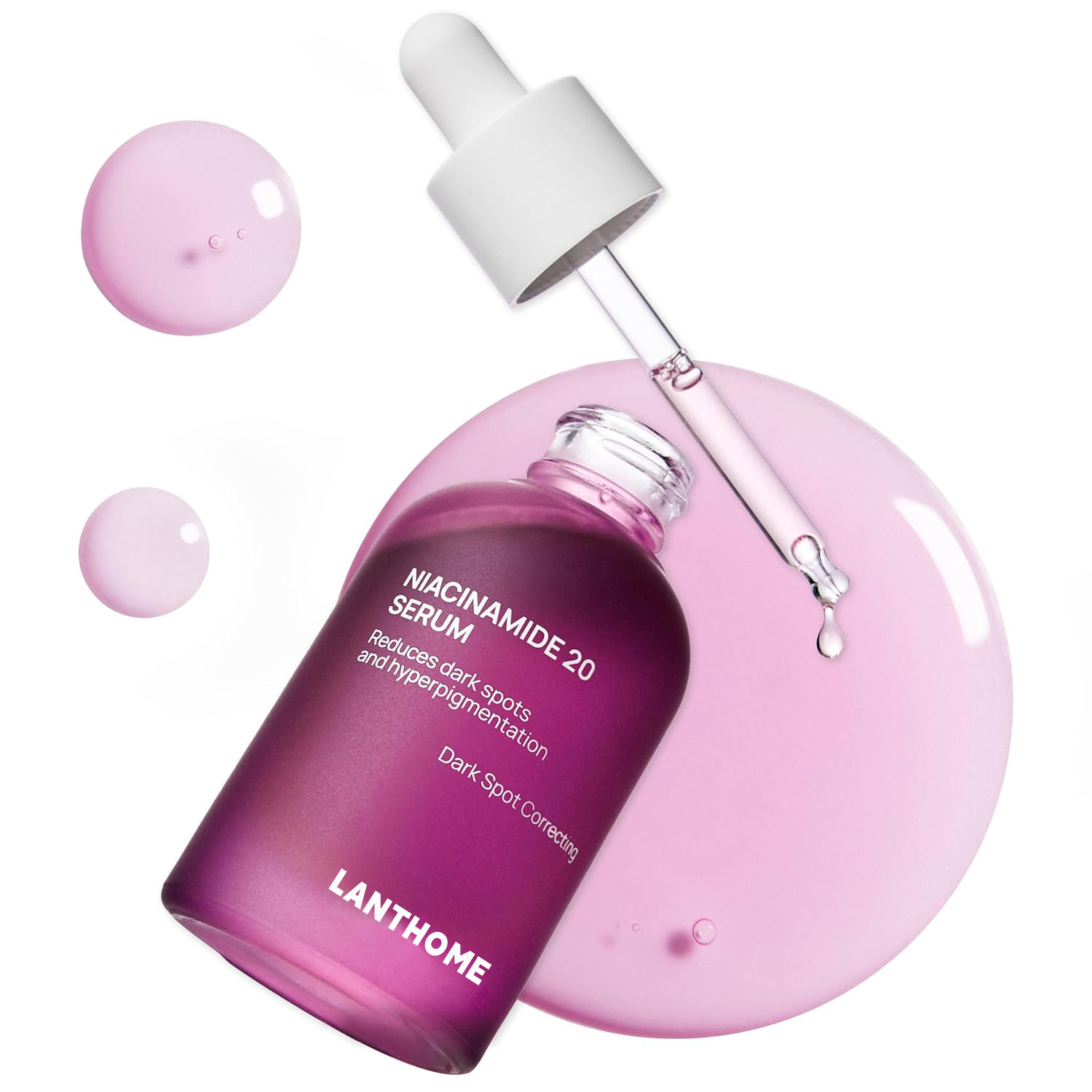
For a starting reference, Lanthome lists a 20% Niacinamide Brightening Serum as a 30 ml face serum direction featuring niacinamide, glutathione and TXA, with OEM, ODM and private label services. The page says texture, concentration, fragrance and packaging choices should be reviewed through sampling. Treat the catalog title as a reference to investigate; it does not establish the specification of your future branded formula.
This guide shows how to turn that reference into a working formula brief. The goal is a document that gives each reviewer a clear question, an expected answer and a place to record the decision.
Start with the commercial job of the serum
Describe the role this product should play in your range before discussing detailed ingredient targets. Is it the first serum in a small collection, a new option beside an existing moisturizer, or a product designed around a specific distribution channel? Each answer creates a different brief, even when the initial catalog reference is identical.
Write one sentence naming the intended customer, the purchase context and the product role. For example: “Develop a 30 ml face serum concept for our online skincare collection, with ingredient information presented clearly and a texture direction that our technical team will review for the proposed use.” This is a project objective, not finished advertising copy.
Then identify the commercial decisions already made. Record the target market, sales channel, proposed price position, quantity range and desired launch window. Label the window as a planning target until the supplier confirms a schedule. Give the development team enough context to discuss tradeoffs without inventing specifications to fill gaps.
Separate catalog facts, brand preferences and open questions
A brief becomes easier to review when every statement has an identifiable status. Use three headings in the document: “Source reference,” “Brand request” and “Confirmation needed.” This keeps an attractive idea from quietly becoming an assumed product fact.
Under source reference, record the exact product URL, the date you reviewed it, its listed 30 ml capacity and face serum format. Record niacinamide, glutathione and TXA as the ingredient direction shown on that page. Keep the catalog name intact so the supplier can identify the starting point.
Under brand request, describe your preferred presentation, fragrance direction, texture and packaging concept. These are requests for discussion. Do not mark them available simply because they appear elsewhere in the catalog.
Under confirmation needed, list the proposed formula specification, full ingredient information, concentration basis, sample options and the documentation relevant to the chosen project. Assign an owner to each question. A blank field labeled “awaiting technical response” is more useful than a confident assumption that later reaches the carton artwork.
Turn the concentration headline into precise questions
The “20%” wording in the reference product name deserves an explicit conversation. This article does not verify that figure for any supplied formula or recommend a concentration. The project team should confirm the specification and its suitability for the proposed product before the brand adopts a numerical statement.
Ask what the number describes
Request written clarification of the ingredient or material to which the percentage refers, the basis used to express it and the formula version it describes. Ask which supporting specification the technical reviewer should examine. Keep the response linked to a sample identifier so the discussion cannot drift between different proposals.
Avoid requesting a larger number simply to create a stronger headline. Ask the formulation team to propose an approach for the intended product brief and explain the decisions requiring brand approval. A marketing preference should remain visible as a preference while technical questions are resolved.
Keep formula information and retail wording connected
Create separate fields for “confirmed formula information” and “proposed customer wording.” A confirmed detail does not automatically approve every sentence built around it. Ask the appropriate reviewers what wording and supporting material they need before approving packaging or product page copy. Record their decision against the same formula version.
Give each ingredient direction a clear place in the brief
The reference page brings niacinamide, glutathione and TXA into one serum direction. That is enough to start a conversation about the concept. It does not provide a full formula, establish the amount of each ingredient or demonstrate what the finished product will deliver.
Explain why the brand is interested in the ingredient story. Perhaps the commercial team wants a concise ingredient led collection, or it wants to distinguish the serum from another SKU. State that objective without assigning unverified results to the ingredient combination.
Ask whether the proposed direction can be reviewed as presented and which choices the formulation team needs from you. If alternatives are proposed, request a short explanation of how each would change the project brief. Keep the original objective beside the alternatives so a substitution does not erase the reason for the product.
Maintain an exclusions field for genuine brand requirements. Ask the team to review each requirement against the proposed formula and ingredient information. Avoid adding unsupported labels such as “clean,” “free from” or “suitable for everyone” as shortcuts for a detailed specification.
Describe texture with observable language
Words such as premium, elegant and lightweight can help describe a mood, but they leave room for different interpretations. Translate them into observations reviewers can discuss: how the sample moves when dispensed, how it spreads, how it looks during application and what finish the reviewer notices afterward.
Use a reference only for the attributes you intend to borrow. If a photograph illustrates the desired visual identity, say so. If an existing product demonstrates a preferred dispensing experience, identify that specific point. Do not let one reference become an unspoken request to copy its entire formula or presentation.
Ask the development team to define a suitable review procedure for the proposed serum, including the conditions and records needed for meaningful comparison. The brand can then use a consistent vocabulary when returning feedback.
Replace “make it nicer” with a focused request such as “review an alternative with less perceived tack during the agreed evaluation.” Record the observation, the requested direction and any attributes you want to preserve. Leave technical adjustments to the people responsible for the formula.
Write a one page formula brief before adding attachments
A concise first page helps the supplier understand the project without searching through long messages. Supporting references can follow, but the central request should stand on its own. The example below illustrates a document structure; it is not a confirmed Lanthome formula or a promise of available customization.
Example: a brand request for technical review
- Project: Private label niacinamide serum for a focused face care collection.
- Catalog reference: Lanthome 20% Niacinamide Brightening Serum, linked in the project file.
- Format request: Use the listed 30 ml face serum as the starting direction; confirm the final specification.
- Ingredient discussion: Review the niacinamide, glutathione and TXA direction and provide the information needed for formula assessment.
- Concentration question: Clarify the catalog percentage and propose a specification for review; no percentage approved for artwork yet.
- Texture request: Discuss an easily dispensed serum with a finish described through agreed observations.
- Fragrance request: Present the options for review; the brand has not approved a fragrance statement.
- Packaging request: Review a container and dispenser proposal against the selected formula and presentation brief.
- Commercial context: Attach the intended market, channel, quantity range, budget assumptions and desired timing.
- Open decisions: Identify the technical information, sample options and brand approvals needed for the next step.
Keep the example short enough for a reviewer to annotate. Replace broad requests with the actual decisions your team has made, while retaining explicit questions wherever information is missing.
Translate a vague request into an answerable one
Consider the phrase “a premium brightening serum with strong ingredients.” It combines a price impression, an intended positioning theme and an undefined formula request. Different reviewers could agree with the phrase while imagining different products.
A more useful project instruction would be: “Review the catalog serum direction for our proposed collection. Clarify the concentration information, discuss a texture direction against our attached reference notes, and identify which ingredient information and wording questions require review.” The brand can then add its packaging preferences and commercial assumptions in their own fields.
For every important request, write the question that will close it. A texture preference needs an agreed description and an identified sample. A packaging preference needs a proposal with its unresolved details marked. A concentration question needs a written technical response tied to the relevant formula. These answers serve different purposes, so give them separate status fields.
This structure also helps a small team divide the work. The commercial reviewer can address positioning and presentation while the technical reviewer handles formula questions. Both can see where their decisions meet.
Make packaging constraints part of the formula conversation
The catalog gives a 30 ml starting capacity, but the final container, dispenser and artwork still need project confirmation. Include packaging preferences early so the formula discussion and presentation discussion share the same assumptions.
Describe the intended dispensing interaction, storage presentation and visual direction. If the brand wants a dropper, pump or another format, label it as a preference requiring review. Ask the supplier which options it can propose and which evaluations the selected formula and package would need.
Keep an attractive mockup separate from an approved specification. A rendering may illustrate color or label placement while leaving material, closure and dispensing details unresolved. Mark those gaps directly on the file instead of relying on a conversation everyone may remember differently.
When a packaging choice changes, ask whether the formula brief, sample request or review plan also needs updating. Carry the same change into every relevant document. This keeps an approved texture preference from being assessed in one dispenser while the commercial team is preparing artwork for another.
Organize sample requests around decisions
A focused formula brief should make the next sample request easier to explain. State what decision each proposed sample is intended to resolve. One may establish a starting texture reference; another may explore a specific requested adjustment, if the development team considers that approach appropriate.
Avoid sending a list of unrelated changes under a single instruction to “improve the formula.” Prioritize the unresolved questions and ask the team to recommend an efficient sequence. A useful response should explain what is being proposed, what remains open and what feedback the brand needs to provide.
Request identifiers for each sample and a written description of the changes relevant to your review. Keep those identifiers with the feedback form, photographs and technical correspondence. When reviewers disagree, capture the observations separately before deciding which direction best serves the brief.
At the end of a review, write one clear decision: proceed with the identified direction, request a specified revision, or pause for missing information. Avoid an ambiguous “looks good” that could be interpreted as approval of formula, packaging and wording together.
Keep a decision log from first inquiry to final handoff
Formula briefs evolve. The important question is whether everyone can see what changed and who approved it. Give each version a date and revision number, then summarize only the changes that affect the project.
Use a simple entry structure: question, proposed answer, supporting reference, decision owner, status and affected documents. For example, a fragrance preference may remain open while the initial texture direction moves forward. Recording those statuses separately allows progress without implying that every detail has been settled.
When an agreed request changes, ask the supplier to identify any implications for the proposal, sample work, packaging or timing. Record the response before replacing the earlier requirement. Keep historical versions available so a reviewer can understand why the current brief differs from the first inquiry.
Before handoff, reconcile the formula reference, package specification and proposed wording. Ask the responsible reviewers to identify outstanding requirements and confirm their own decisions. The completed brief should make the remaining questions visible and give the next team a dependable record of what has actually been agreed.
Frequently asked questions about a niacinamide serum brief
Should the brief require the concentration in the product name?
Begin by requesting clarification of the reference title and the specification behind the proposed formula. Ask the technical team to review concentration in the context of the intended project. The catalog name alone is not a basis for selecting a formula or approving a percentage on your packaging. Record the agreed answer before updating the brief.
Can we request fragrance and texture changes together?
You can describe both preferences in the initial brief. Ask the development team which changes it can review and how it would organize the sample work. Keep feedback for each attribute separate so reviewers can explain what they observed. Availability, scope and any resulting changes to the proposal should be confirmed for your project.
How detailed should our first inquiry be?
Include the product reference, intended market, sales channel, quantity range, packaging direction and the decisions you need help resolving. Add a short formula brief and clearly labeled references. You do not need to invent a complete technical specification before contacting the team; unanswered questions belong in the brief as clearly as confirmed preferences do.
When is the formula brief ready for the next stage?
It is ready when the next decision can be made from identified information and the responsible reviewers understand their roles. That may mean requesting an initial sample or reviewing a revised proposal. Final handoff requires a separate reconciliation of the agreed product, packaging, wording and outstanding documentation, with approval recorded by the appropriate people.
Send a brief that invites a specific response
Before submitting the project, read the first page as someone encountering your brand for the first time. They should be able to identify the reference product, understand the commercial objective and see which questions need a response. Remove repeated adjectives and attach references only when their purpose is clear.
Use the Lanthome project inquiry page to share the formula direction and commercial context. Ask for a response that identifies the proposed next step, missing information and decisions required from your team. A precise brief gives the discussion a useful starting point and creates a record you can refine as the niacinamide serum project develops.
Related Links
- 20% Niacinamide Brightening Serum - Review the 30 ml face serum reference and its niacinamide, glutathione and TXA direction.
- PDRN Hyaluronic Capsule Serum - Explore another serum format in the Lanthome catalog.
- Product Catalog - Browse product categories and reference formats for a brand brief.
- OEM and ODM Development - Review the site's product development pathway.
- About Lanthome - Read about the company and its private label project focus.
- Start a Project Inquiry - Share your category, market and proposed project requirements.
- Buyer Insights - Read more articles for skincare buyers and brand teams.